Structured teaching and starting school early vs playing or starting school later
© myECE.org.nz.
Parent Support and Information.
As parents we can be anxious to get our child into structured activities like swimming or music classes and into ready for school programmes. The marketing of educational products and programmes can make us fear that our children are missing out and will be left behind other children if they do not experience or get these. As parents we want the best for our children. But more is not always best.
Reflective questions:
- Is your child’s early childhood service providing too much in the way of structured activities instead of allowing children to make their own choices and play freely (i.e., overloading the children with activities and structured exercises, tasks and even work sheets)?
- Should we be letting children be children when they are under 5 years and too young to attend school?
- Should we be accepting and buying into the marketing and all the hype around school prep and getting children “ready for school” programmes?
- Do you and your child have enough time together to just hang out and enjoy each other’s company – or is life a big rush between waking, rushing to activities like gym classes and art classes, and then sleeping again?
Play-based education – the kind of teaching and learning that benefits young children most
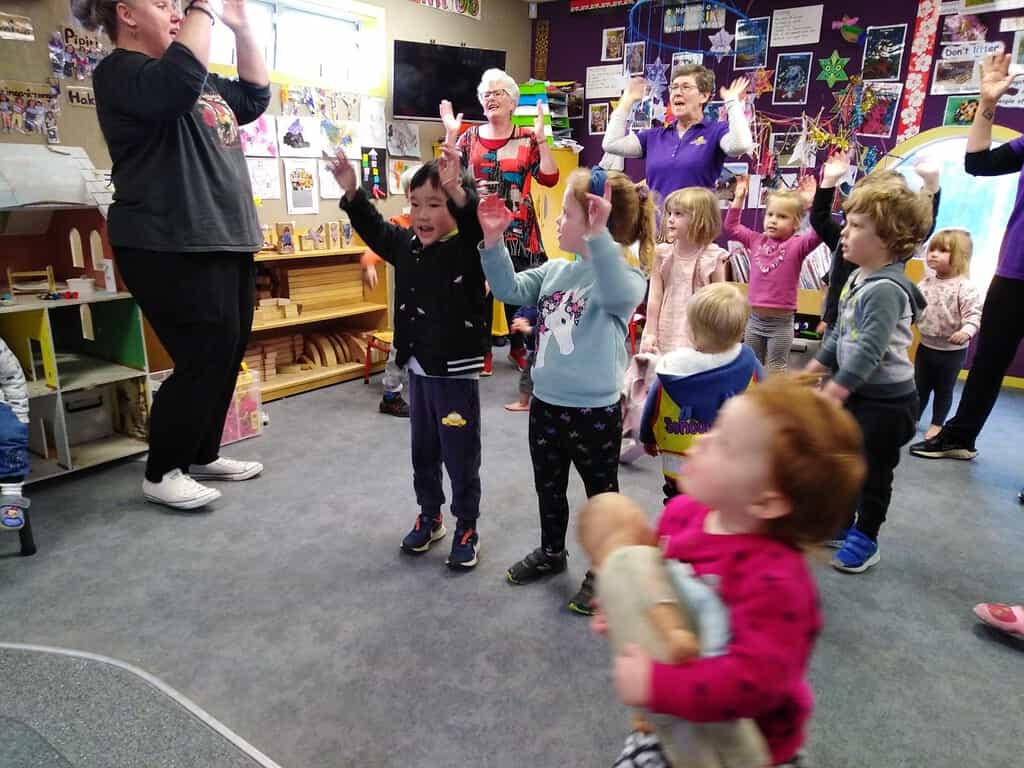
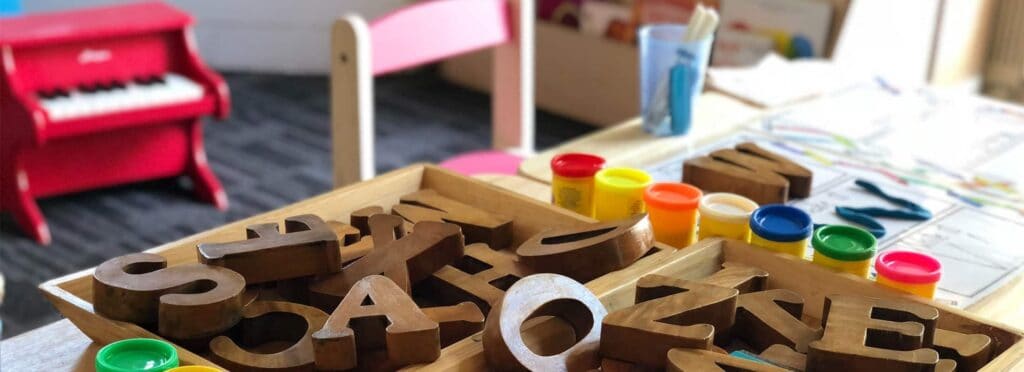
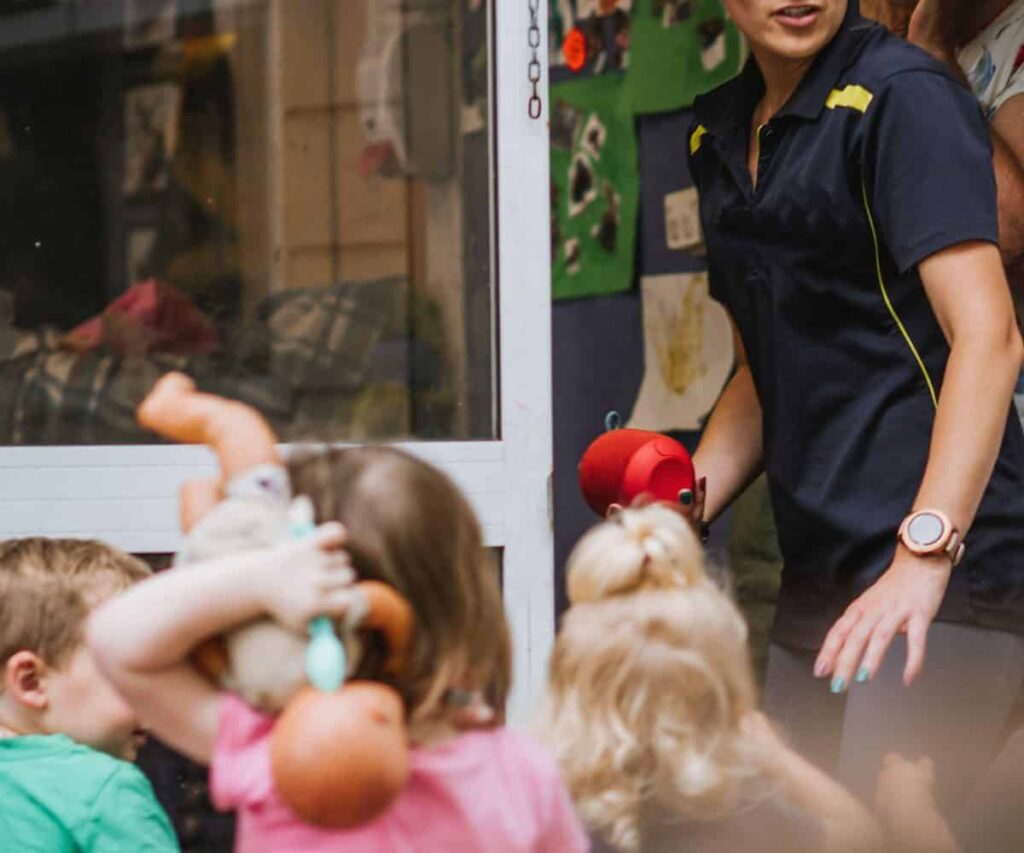
Lots of time for free play to allow for children’s interests to flow in a non-pressured supportive environment is what research shows to really matter for the best outcomes for children.
This is what early childhood teachers call “authentic” learning – it’s real and it makes sense to children.
Play based education is rich with learning and can naturally contain and involve literacy, numeracy, social learning, the arts, science, etc., It’s meaningful learning that makes sense to a child.
There is a case for giving children extra activities to give children an educational edge but do this with caution. Watch that ‘overload’ does not occur. Make sure children still have free time and are under no pressure to ‘perform’. Children learn and gain skills at different rates.
Whether to enrol or not in extra language classes, dancing classes (etc.) depends on how important a particular activity is to the child (and family). For example, a child adopted from Russia by New Zealand English speaking parents would likely benefit from participating in a Russian speaking group regularly from a young age to retain their native language. Going to a dance class can be fun for a child, if the child has an interest in dancing.
Ready for school programmes
Primary school teachers will tell you that there is no need for children to be given worksheets, readers, and specific tasks to prepare them for school. Read: Seven essential skills for children to have before starting school.
A high-quality early childhood education service will provide a developmentally holistic and integrated play-based curriculum – and not skill-teach and drill children for six months or so before starting school.
Starting school earlier
Starting school earlier does not always translate to children having higher achievement compared to children with a delayed start.
For example, in Scandinavian countries there is a belief that children aren’t ready to start a formal education until Age 7 and international studies have shown their children perform often much better in literacy and numeracy in later years for this.
Taking time to make time for the greatest rewards
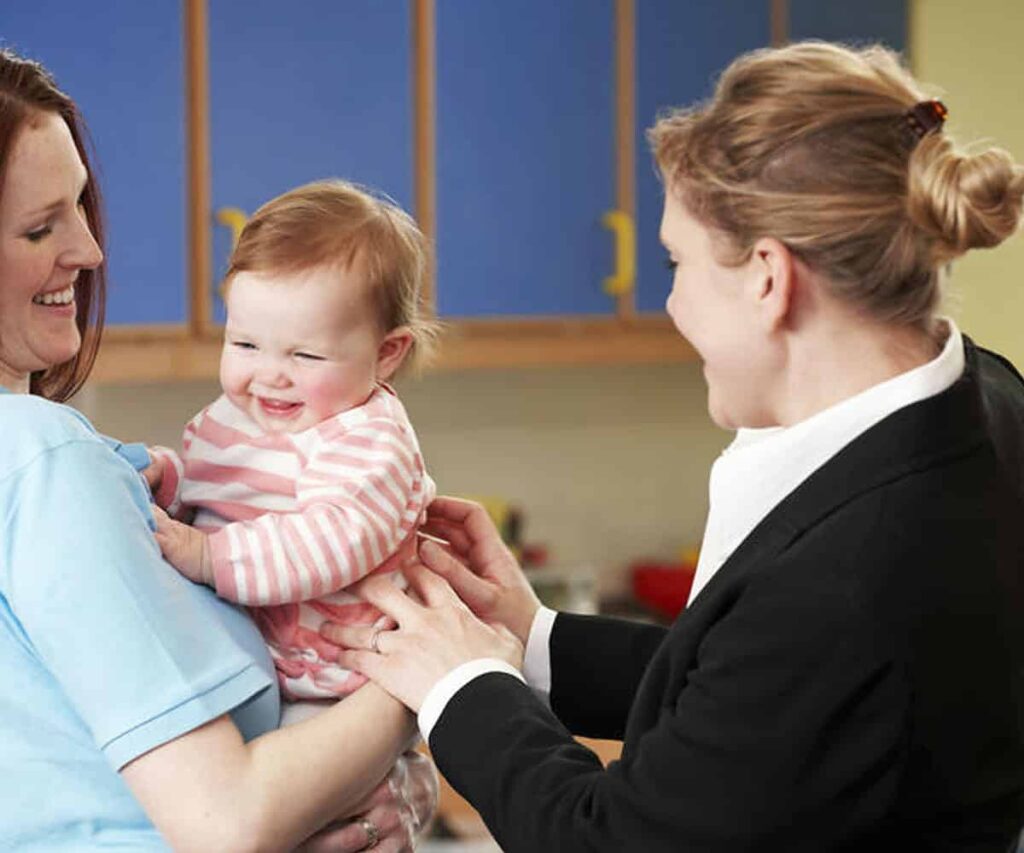
The greatest gift a parent can give to a young child under 5 is time. Time to talk, time to cuddle, time to play, to have a range of experiences that may include buying groceries at the supermarket, playing on the beach, picking blueberries, and reading a book together (as opposed to organised/scheduled activities).
Children need to have a childhood. A childhood that is pressured and involves the child constantly engaged in activities focused only on his/ her future does not allow the child to enjoy and live much in the present.
Article by Dr Sarah Alexander
First published on October 21, 2018
You may also be interested in reading
Gun, weapon, and superhero play – Problems with this and opportunities
Teaching children to be resilient
Ethics of Care – Killing animals and helping children make sense of the world