What happens when a service doesn’t meet all requirements?
© myECE.org.nz.
Parent Support and Information.
Should a service breach regulations and licensing criteria the Ministry of Education can ask a service to make improvements.
Every licensed service provider is legally required for health and safety to:
- take all reasonable steps to promote the good health and safety of children enrolled in the service; and
- take all reasonable precautions to prevent accidents and the spread of infection among children enrolled in the service; and
- take all reasonable steps to ensure that the premises, facilities, and other equipment on those premises are kept in good repair; and maintained regularly; and used safely and kept free from hazards; and take all reasonable steps to ensure that appropriate procedures are in place to deal with fires, earthquakes, and other emergencies. Education (Early Childhood Services) Regulations 2008, 46(1)
The Ministry also has some compliance tools it can use. But it does not use the compliance tools lightly – usually only when problems are serious, and/or there are multiple areas of breaching minimum standards will it put a service on official notice by changing its licence.
Issue a written direction
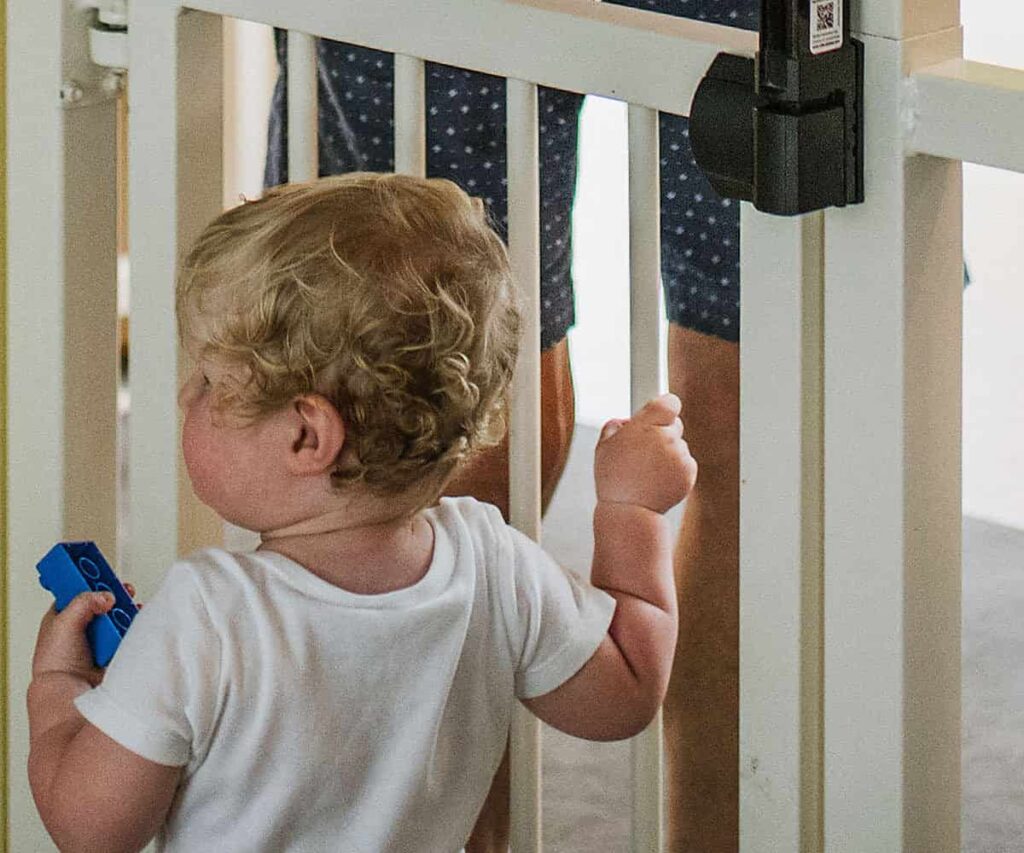
The Ministry of Education may issue a service with a written direction – this is like a memo or letter – to give a service up to 10 working days to fix immediate health and safety risks, such as a broken gate that allows children access to the road. This allows the service to continue to operate and no change will be made to the licence.
Issuing a written direction means that the health and safety risk can be kept secret from parents since their is no change of licence to alert parents to any problems with the service.
The written direction must include the date by which the service is to have remedied the immediate health and safety risk, and this date must be no later than 10 working days after the date of the direction.
A failure to comply with a written directive may result in the Ministry of Education deciding to reclassify the service’s licence as a provisional licence or to issue a licence suspension.
Downgrade the full licence to a provisional licence
A licence downgrade to a provisional licence simply means the service can continue to operating while working toward compliance.
Services are required to display their licence, but not required to make sure that all parents know about the licence reclassification and failure to meet minimum standards.
A provisional licence will state that the conditions stated on its probationary or full licence have not been met, or that it has not complied with a written direction within the period of time stated on the written direction/ warning. A service may also have its licence reclassified to provisional if a serious incident involving a child warrants licence reclassification.
Suspend the licence
Children cannot attend when the licence is suspended.
When a service with a suspended licence does not meet the conditions of the suspension notice, the Ministry of Education may cancel its licence to operate.
A suspended licence can be issued if the Ministry finds that it is not in the interests of children for the service to continue to operate; or the service provider has physically ill-treated a child; or in guiding or controlling a child, subjected the child to solitary confinement or deprived the child of food, drink, warmth, shelter, mobility, or protection or failed to ensure that the child is not ill-treated; or failed to prevent a person reasonably suspected of doing anything referred to above from having contact with the children.
A licence may also be suspended should the Ministry find that the service provider has failed to take all reasonable steps to ensure that children do not come into contact with staff or any other person involved in the provision of the service who is suffering from a disease or condition capable of being passed on to children and likely to have a detrimental effect on children if passed on to them. Should a service no longer be under the control of the licence holder, the Ministry may suspend the service’s licence.
Cancel the licence
Cancelling the service’s licence and forcing it to close permanently is seen by the Ministry of Education to be the last resort. Very few service’s have their licenses cancelled each year. Often the service provider may sell their service to a new owner and then the Ministry will work with the new owner to ensure the service meets licence conditions.
How do you know if a service has been placed on official notice to improve?
See the annual lists for the names of early childhood services placed on a provisional or suspended licence or can
CAUTION: This page and the information here is provided as part of the My ECE Guide to Early Childhood Service Regulations and Licensing Criteria for Parents (The Guide). The Guide does not purport to be a full and accurate interpretation of all statutory provisions relating to early childhood education services. While best efforts have been used in preparing this guide, no representations or warranties of any kind are made and My ECE assumes no liabilities of any kind with respect to the accuracy or completeness of the content. Please note that the Government and Ministry of Education may change, update, or alter any of the requirements at any time. Please help to keep the information on this page up to date by letting us know of changes that need to be made.
Thank you! Kia pai te rā
Reference:
My ECE Guide to Early Childhood Service Regulations and Licensing Criteria for Parents. Prepared by Dr Sarah Alexander and Warwick Marshall.
Last reviewed: 1 May 2025