Rules Requiring Display of a Service’s Complaints Procedure, Key Regulations, and Current Qualified Teacher Names Removed
From 20 April 2026, early childhood services operate under a rewritten and renumbered set of licensing criteria. Many criteria have been cut or merged as part of the government’s drive to reduce “red tape,” but these changes do nothing to strengthen quality or raise expectations for better practice – the very things we as parents want for our children.
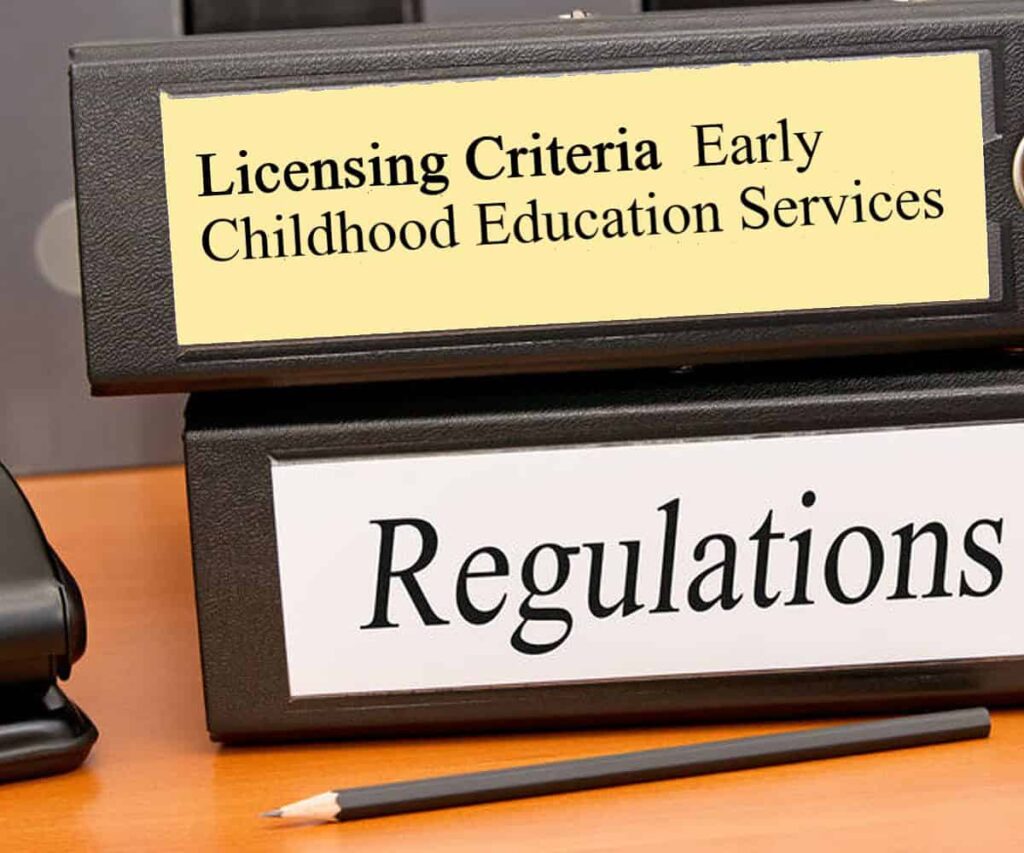
For parents using centres, one of the most noticeable shifts is that we’ll start to see far less information when we walk into our child’s centre. The rules that once required centres to display key information – such as the names and qualifications of teachers, the regulations they must follow, and how to make a complaint (including concerns about breaches of regulation) – have been stripped back. What used to be visible at a glance will now sit behind layers of “ask us if you want it.”
It’s important to note that this change applies only to early childhood centres. Home‑based services are not affected. Under the new framework, home‑based services continue to have the same obligation they previously had under GMA1 (now GMA201): they must ensure parents know how to access information about staff qualifications and provide a documented complaints procedure, including the option to contact the local Ministry of Education office and phone number.
Under the previous licensing criterion (GMA1), centres were required to display:
- Their current licence certificate
- The Education (EC Services) Regulations and Licensing Criteria
- The full names and qualifications of all staff counted toward regulated qualification requirements
- A documented complaints procedure, including Ministry of Education contact details and the option to take concerns directly to the Ministry
This meant we could quickly check who was qualified, what rules the service had to follow, and how to raise concerns if something wasn’t right.
Now, under the new licensing criterion (GMA101), centres only need to display:
- The current licence certificate
- The name and contact details of a person for questions about the service or complaints
What this means for us
Under another licensing criterion (GMA102), centres must still tell us how to access a copy of the Regulations and staff qualification information and their written complaints procedure – but they no longer have to display it or provide a hard copy. In practice this means we may have to search through the service’s website, be pointed to an old newsletter, or be told the information is in a folder in the office.
We might be told where the information is – which may be at the time of enrolment, when we’re least likely to remember – and still need to ask again later to actually receive it.
Because staff photos, names, and qualifications no longer need to be displayed, we also lose an easy way to see when we enter the centre who is responsible for our children and any staff changes we haven’t been told about.
Only the name and contact details of a person for general questions or complaints must now be displayed. However, this may not be the right person to handle concerns about child safety or breaches of standards – and in some cases, the listed contact could even be the person a parent is worried about.
With no requirement to display the complaints procedure, we must remember how to access it ourselves or ask the service directly. Many parents may not realise that the complaints procedure should include information on how to make a complaint to the regulator about the service, or to the Teaching Council about any teacher or manager.
These changes place more responsibility on us to seek out information and to feel confident asking for it – which isn’t always easy. Many of us already worry that asking questions could make us look like trouble‑makers or affect the way our child is treated.
With less information required to be visible, and no obligation for services to tell us we can complain to the Regulator, the balance of power shifts further toward service providers. As parents, we shouldn’t have to feel nervous about asking basic questions or seeking information about the people caring for our children.