
Major changes to ECE – Here’s What’s at Stake for Babies, Young Children, and Families
Many proposals to reshape early childhood education (ECE) are not in the best interests of our babies and young children. They also ignore the issues families care about most:
- Rising fees and high costs
- The quality of care and education
- Strong rules, effective penalties to discourage rule-breaking, with regular inspections so we can trust services to keep our children safe, healthy, happy, and thriving in their learning and development.
Changes being implemented in 2026 include:
- Shifting the focus of ECE away from children’s wellbeing and education. New regulation rushed through Parliament will prioritise parents’ labour market participation, with children no longer placed at the centre of ECE provision and policy.
- Lowering teacher qualification requirements.
- Making complaints harder for parents: Services will no longer need to prominently display complaints procedures, and parents may be referred back to the very provider they wish to complain about.
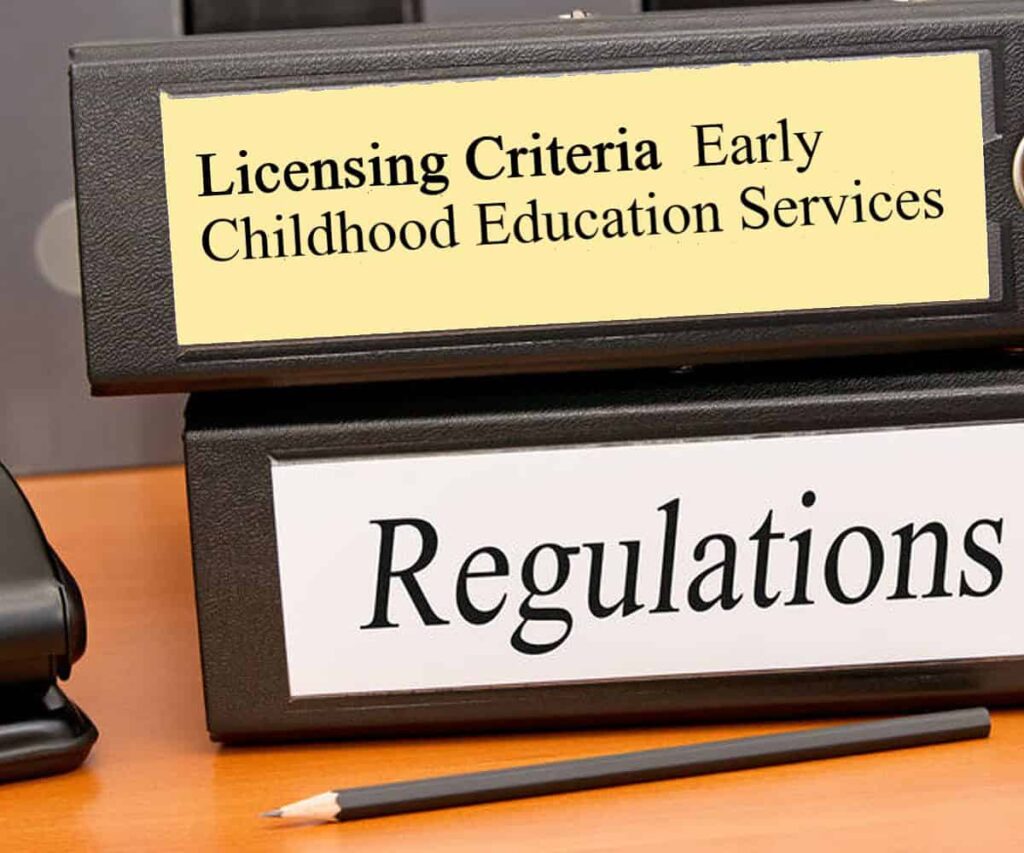
- Weakening licensing criteria: Several important safeguards for children’s health, safety, and education will be removed, lowering the overall quality of regulation.
- Reducing penalities and consequences for rule-breaking: Services may continue operating even after multiple or repeated failures to meet basic safety, health, equipment, facilities, or curriculum requirements.
- Reducing oversight: Responsibility for enforcement and licensing will shift from the Ministry of Education to a single Director of Regulation. The Director’s role is to balance children’s safety with provider cost‑saving, concentrating authority and creating a risk that lower costs will be prioritised over children’s rights, care, and quality of education.
Associate education minister David Seymour has also paused progress on pay parity for ECE teachers with school teachers. Pay parity – essential for attracting and keeping qualified staff – now looks likely to be scrapped.
On top of this, he has launched a costly funding review that appears to favour provider profits over the needs of children and families for affordable, accessible, high‑quality ECE.
Why this matters
Taken together, these changes risk weakening safety, lowering quality, and reducing accountability across early childhood services. This means greater variation between services, with lower‑quality services more likely to thrive and push out those striving to do right by children and families.
Parents will face less transparency and be left with more responsibility to check standards themselves — from what creams might be applied or medications given to their child, to whether outdoor play is restricted, to the qualifications of staff.
Rule changes from April 2026
A major rewrite of the rules that every early childhood service must follow to keep operating and receiving public funding has been completed.
It’s a relief that Government plans to change sleep checks from every 10 minutes to 15 minutes were dropped after public pressure. But infants can still be left without an adult for up to 10 minutes at a time. Safe sleep practices that reduce the risk of SUDI are optional, not required. Why it matters: Even short gaps in supervision can be dangerous for sleeping babies. Optional rules mean protection will vary between services.
Some of the rule changes might seem minor or technical – but as parents, we know the small things make a big difference. If safety checks are watered down, staff support is reduced, or services are no longer required to share clear information with families, the quality of care and education our children receive will suffer.
- First‑aid kit: Services must still have a kit, but the list of required items has been removed. A kit could now be just a box with plasters and cream, leaving staff without important supplies to give immediate first aid for various injuries and illnesses.
- Non‑prescription products: Staff no longer need to have parents’ written permission to use creams or sprays (like arnica or insect bite spray). They may use service or personal products without telling parents. This raises allergy and cultural concerns.
- Emergency drills: Reduced from four times a year to three. Fewer practice drills means children and adults will be less ready for real emergencies.
- Room temperature: Temperatures inside can drop below 18°C for short periods, with no clear limit on how low or how long is too long.
- First‑aid ratios: One qualified adult per 25 children stays, but if that adult is not available the ratio can go to one qualified adult per 50 children.
- Medicine training records: Services no longer must keep records of training or information given to staff who administer any types of medicine.
- Self‑review: Services are no longer required to review teaching and practice. This is worrying, especially where staff are not trained ECE teachers.
- Annual budget: Only needed for new services or when the service changes ownership. This means reduced financial transparency and planning.
- Parent input and complaints: Rules about prominently displaying regulations, staff names and qualifications, and complaints procedures have been relaxed. Information can be online or given on request, which makes it harder for parents to see and act on problems.
- Outdoor play: Services can limit outdoor time “when appropriate,” which could reduce children’s outdoor play or let outdoor areas be used for other things.
- Infant/toddler spaces: Rule changes mean greater support for services placing younger children in areas made for older kids, with furniture and equipment that are not the right size.
- Toilets and handwashing: Handwashing is no longer clearly linked to toilets; sinks may not be in bathrooms, so children might not wash hands after using the toilet.
- Hand drying: The rule was weakened from the provision of hand washing facilities for preventing infection to only minimising it.
- Staffing rules: Human resource requirements for ECE appropriate hiring, job descriptions, and regular appraisals were removed, which can reduce clarity about who does what and lower accountability.
- Hot water safety: Services no longer must fit valves that limit hot water to 40°C at taps children can reach, increasing scald risk.
- Philosophy statement: Services no longer need a written statement that explains their values and how they work with families.
What this means for parents and families
- Less consistent protection: Some safety rules are weaker or optional, so care can vary a lot more than it already does between services.
- Less visible information: Important notices and staff names qualifications may not be on display, so it’s harder for parents to check a service’s standards.
- More to ask about: With fewer mandatory rules, parents may need to ask more questions and check practices themselves.
UPDATE — 19 November 2025: The ECE Reform Bill has been passed into law despite most submissions opposing it or calling for a pause to assess its impact on children. The Act is scheduled to come into force on 23 February 2026.
Here’s a list of the rule changes proposed by the Ministry for Regulation that David Seymour and Cabinet originally supported before public lobbying and feedback.
3 pages in the Table – click on the arrow to view each page












4 Responses
I’m a teacher. They are also wanting to take control of our teacher council so that could be interesting. WE ARE NOT BABYSITTERS, perhaps all ece could alter their names and remove the word “childcare”. There are some very scary changes coming for us.
Definitely profit before quality. There are bad centre’s out there now, this will ensure there will be even more!!
Children’s right to safe and quality care and education needs to be foremost before the almighty dollar!! it’s NOT rocket science!
I’m disgusted by this Government!!
Poor decisions or poor knowledge of the Early Childhood Education (ECE) is becoming obvious in these decisions being made. Thankfully as a well experienced and many years in this most important area of young tamariki lives we have common sense regarding these poor decisions by our Ministry of Education.
Our tempering valve failed earlier this year and we didn’t realise until children told us the water was too hot to wash their hands.