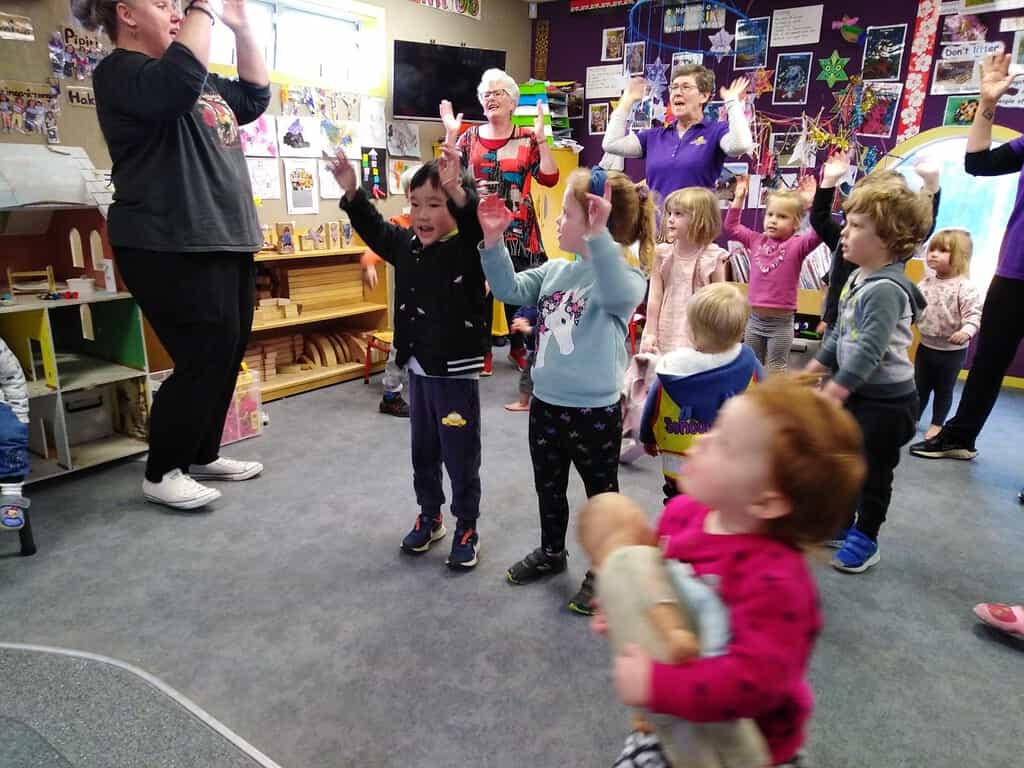

The amount of space (per child minimum to be provided) and the use of space
© myECE.org.nz.
Parent Support and Information.
When there are children under 2 years
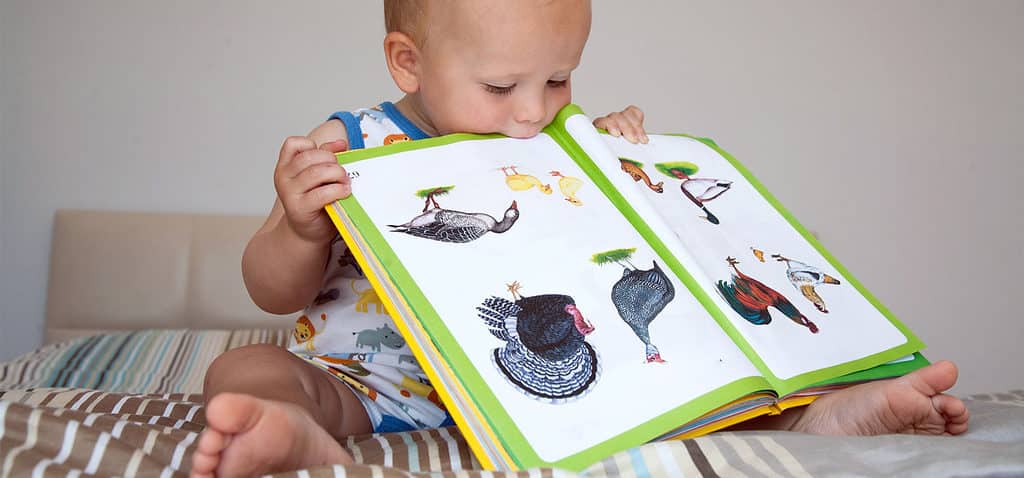
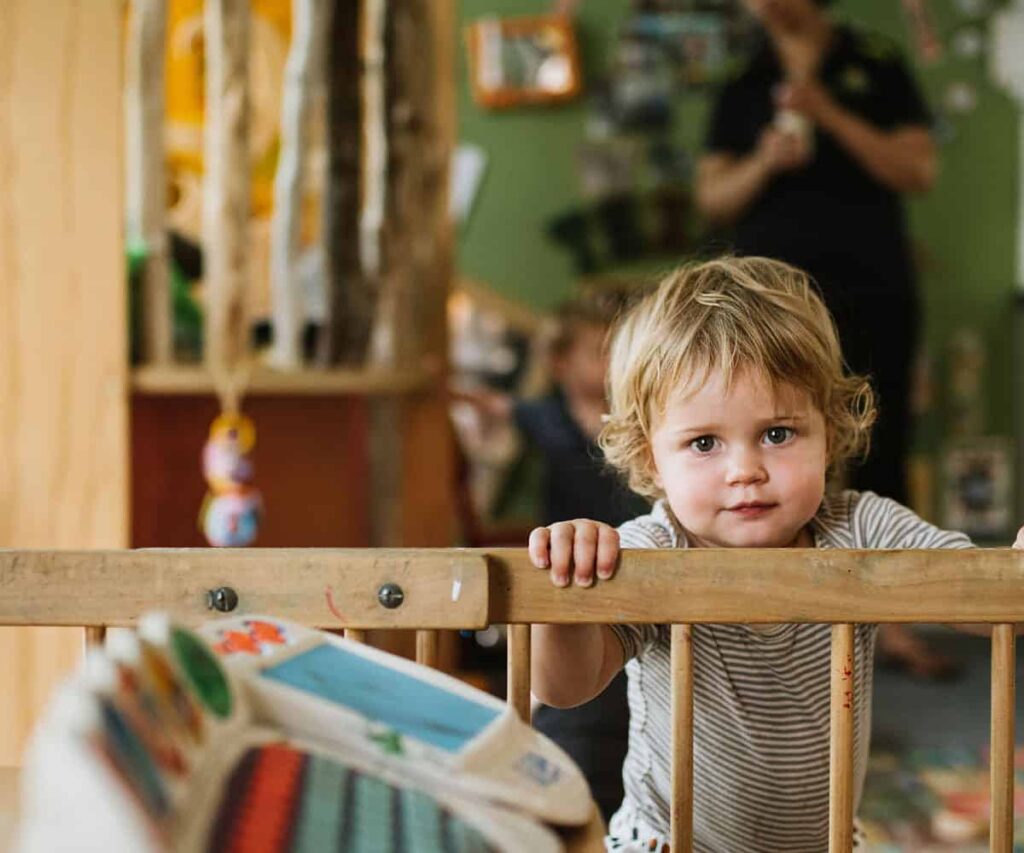
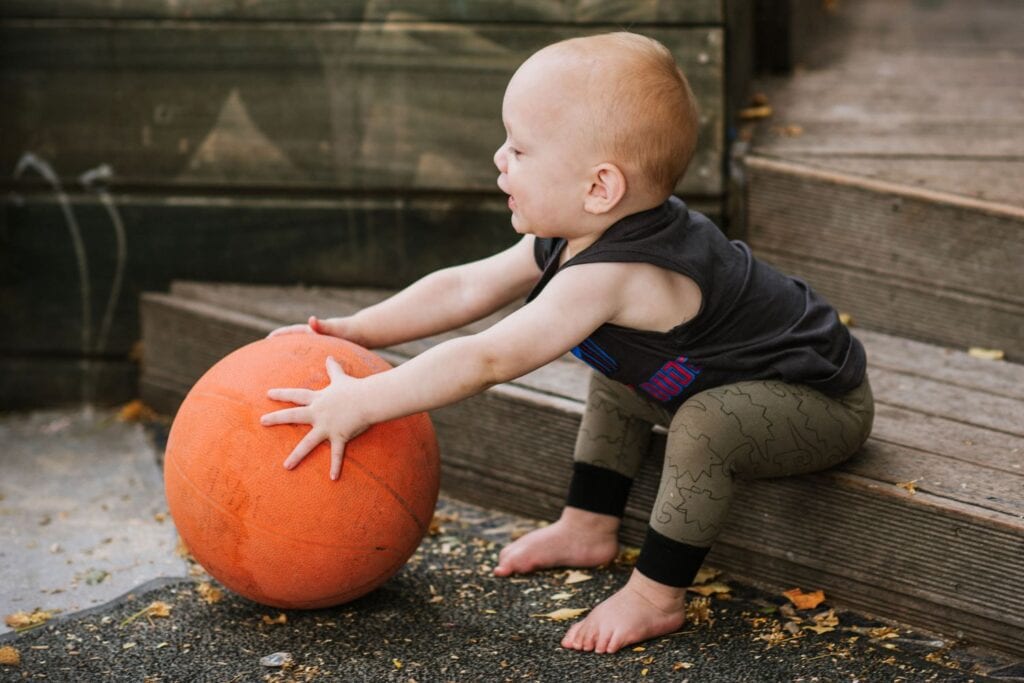
In all services (including home-based) that have children aged under 2 years there must be indoor and outdoor spaces for children to lie, roll, creep, crawl, pull themselves up, learn to walk and be protected from more mobile children.
Outdoor activity space requirements
The indoor activity space must be connected to the outdoor activity space, for easy and safe access by children. For example, children should not have to rely on adults to take them outside. Children should not have to pass through a play space used by another group of children to get to their own indoor or outdoor play space.
The outdoor activity space must be safe, safe, well-drained, and suitably surfaced for a variety of activities.
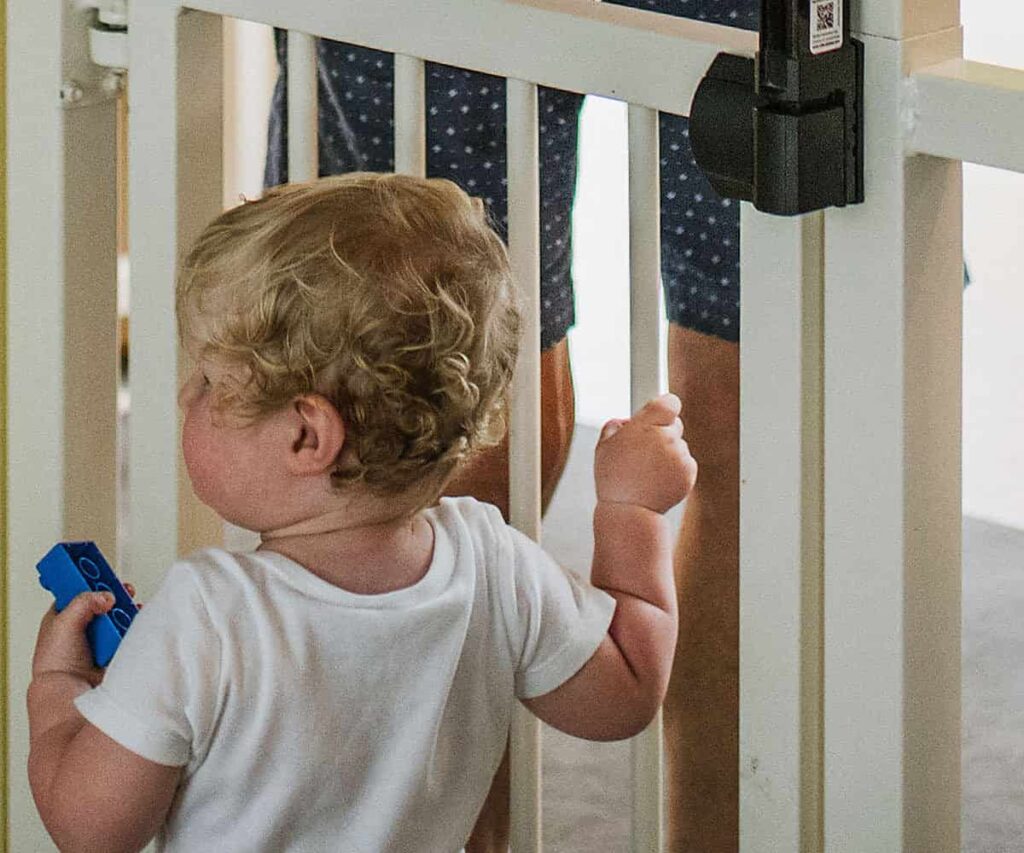
It must also be fenced or have gates or structures designed to ensure that children are not able to leave the premises without the knowledge of adults providing education and care. (Note that children are known to climb fences and to wander through gates when left accidentally open. Therefore, active supervision by adults of children is important to make sure no child leaves without adults knowing. Structures and/or fences and gates should ensure no child can ‘be taken’ without an adult at the centre knowing. Under the Education (Early Childhood Services) Regulation, No. 58 a service must ensure that no child leaves with any non-authorised person.
There must be no Resource Consent restrictions (e.g., on noise levels) on the use of the outdoor space for children’s outdoor experiences; and the space must be available for the exclusive use of the service during the hours that the service is operating.
Design and layout
The design and layout of the premises (including indoor and outdoor spaces) must:
- Support effective supervision of children by adults, without needing to limit children’s indoor/ outdoor access.
- Include quiet spaces, areas for physically active play, and space for a range of individual and group learning experiences appropriate to the number, ages, and abilities of children attending.
- Support the provision of different types of indoor and outdoor experiences.
Home-based services and centres must have:
- Separate and hygienic wash facilities for the preparation and cleaning up of paint and other art materials.
- A safe and hygienic place for children to sit when eating.
- Space available (away from where food is stored, prepared, or eaten) where a sick child can be temporarily kept at a safe distance from other children (to prevent cross-infection), lie down comfortably, and be supervised.
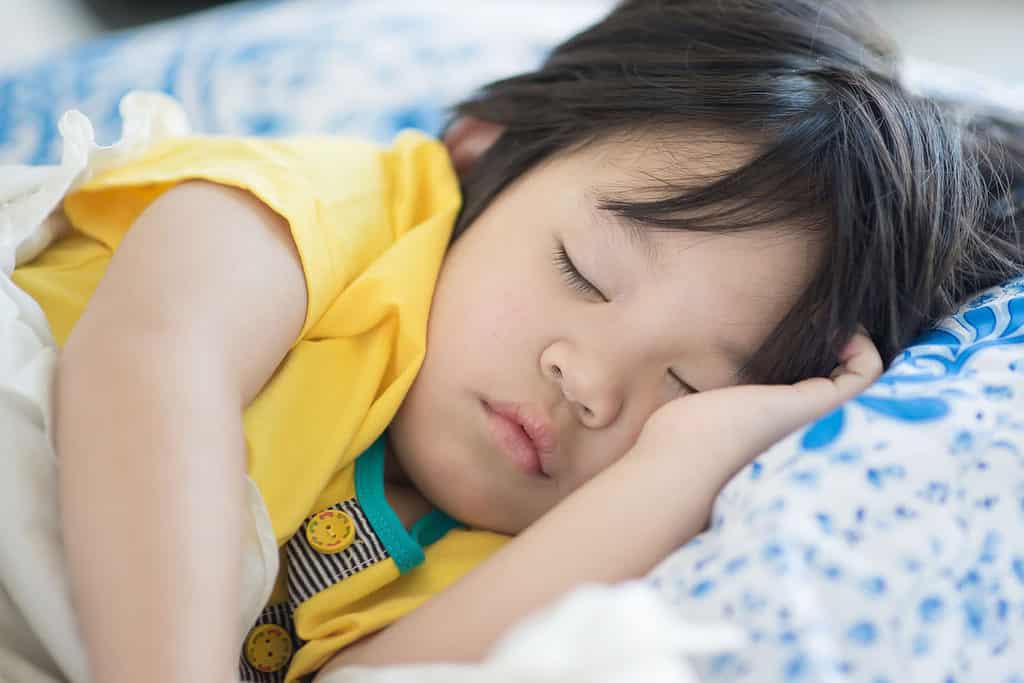
- Space available for the restful sleep of children of any age who need it. In centres, there must also be a ‘designated’ sleep space for children under the age of two at any time they are attending.
Centres must have:
- One toilet for every 1-15 persons. Persons are defined as children aged two and older and teaching staff that count towards the required adult-child ratio. At least one toilet must be suitable for adults to use.
Amount of space
Centres
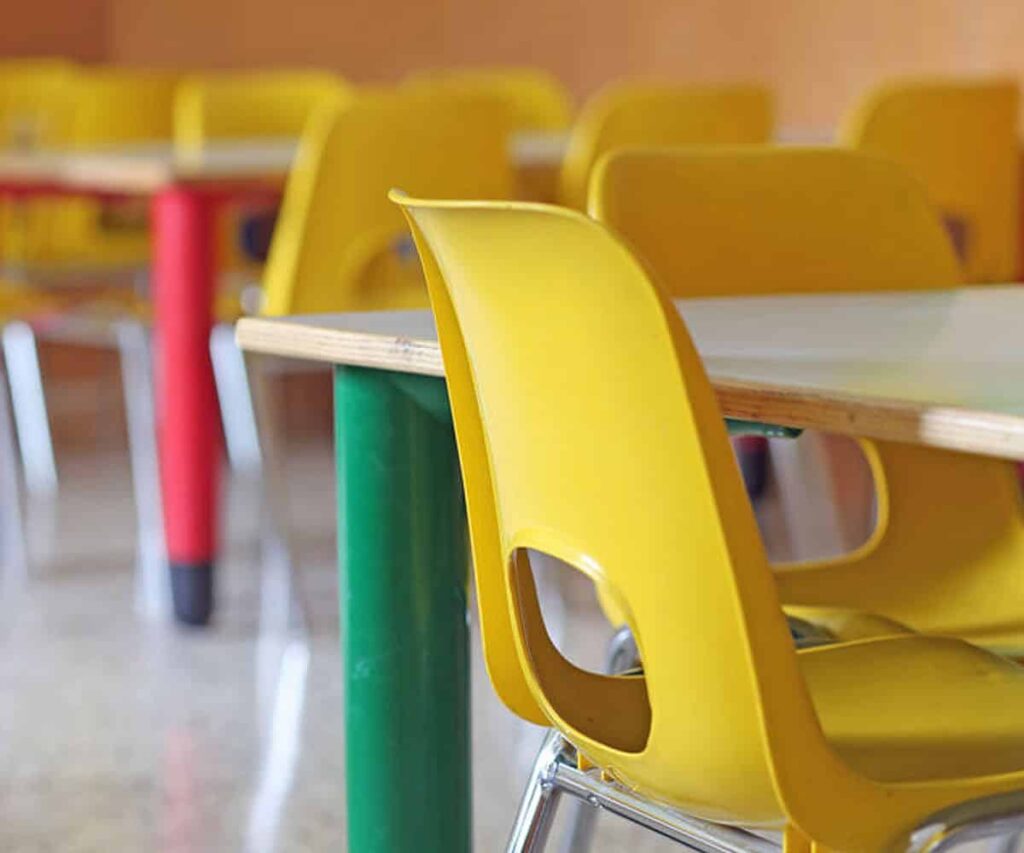
The indoor activity space must be at least 2.5 square metres and outdoor activity space 5 square metres per child, excluding areas unavailable for play because they are occupied by:
- Fittings.
- Toilet facilities.
- Fixed equipment.
- Stored goods.
- Passageways, staff rooms, dedicated sleep areas for children under-two years.
- Other areas unavailable for play.
The Ministry of Education may relax or waive outdoor requirements if no child attends the centre for more than 2 hours on any one day. (Note that if the centre allows any parent to leave their child for more than 2 hours then ask to see a copy of the Ministry of Education written exemption of an outdoor area. Centres located in gyms, shopping malls, etc. are required to have an outdoor area unless given an exemption. Outdoor areas are deemed vital for a child’s wellbeing).
Home-based services
There must be at least one usable indoor activity area space of at least 10 square metres.
Also, there must be some outdoor activity space, but there is no minimum requirement specified in the regulations.
Adult workspace
Space must be available for adults working at the service to:
- Use for planned breaks.
- Meet privately with parents and colleagues.
- Store curriculum support materials.
- Write child assessments, programme planning and preparation work.
Staff space does not have to be located within the licensed premises, but it does need to be situated nearby.
Renovations and changes to use of licensed space
Centres must notify the Ministry of Education should space that is licensed no longer be used for the purpose of care and education of children, as this is a change to the licence and may affect the number of children the service is permitted to have attending.
Centres must notify the Ministry of Education should they wish to use unlicensed space for the purpose of care and education of children, and have the use approved.
Failing to meet minimum standards
The Ministry of Education needs to know:
- If you are concerned children’s needs are not being met.
- If you are concerned a service is not meeting a minimum legal requirement.
READ MORE: How to make a complaint and your options.
CAUTION: This page and the information here is provided as part of the My ECE Guide to Early Childhood Service Regulations and Licensing Criteria for Parents (The Guide). The Guide does not purport to be a full and accurate interpretation of all statutory provisions relating to early childhood education services. While best efforts have been used in preparing this guide, no representations or warranties of any kind are made and My ECE assumes no liabilities of any kind with respect to the accuracy or completeness of the content. Please note that the Government and Ministry of Education may change, update, or alter any of the requirements at any time. Please help to keep the information on this page up to date by letting us know of changes that need to be made.
Thank you! Kia pai te rā
Reference:
My ECE Guide to Early Childhood Service Regulations and Licensing Criteria for Parents. Prepared by Dr Sarah Alexander and Warwick Marshall.