
Gun Play, Weapons, and Superhero Play
© myECE.org.nz.
Parent Support and Information.
Article by Dr Sarah Alexander.
Gun play, superhero and weapon play is play that children can initiate on their own.
Why do children do this? How should we respond to it? How can we support children’s learning even if such play goes against our personal beliefs?
The value of superhero and gun play
When a child picks up a stick and uses it as a gun or makes an eye mask and proclaims that now he or she is ready “to save the world” – this is great dramatic play and can lead to wonderful learning. It is child-initiated learning through play
Some people think that if you let a child engage in gun or other weapon play, the child will hurt or kill others or grow up to be a violent person. There is no evidence to support this belief. Play with weapons and superhero play is pretend play. It is little different to pretending that sand is a rich chocolate cake or that there are tooth fairies and Easter bunnies. Rich imaginative play does not produce violence. Engaging in such play is an antidote to violence and not a cause of it.
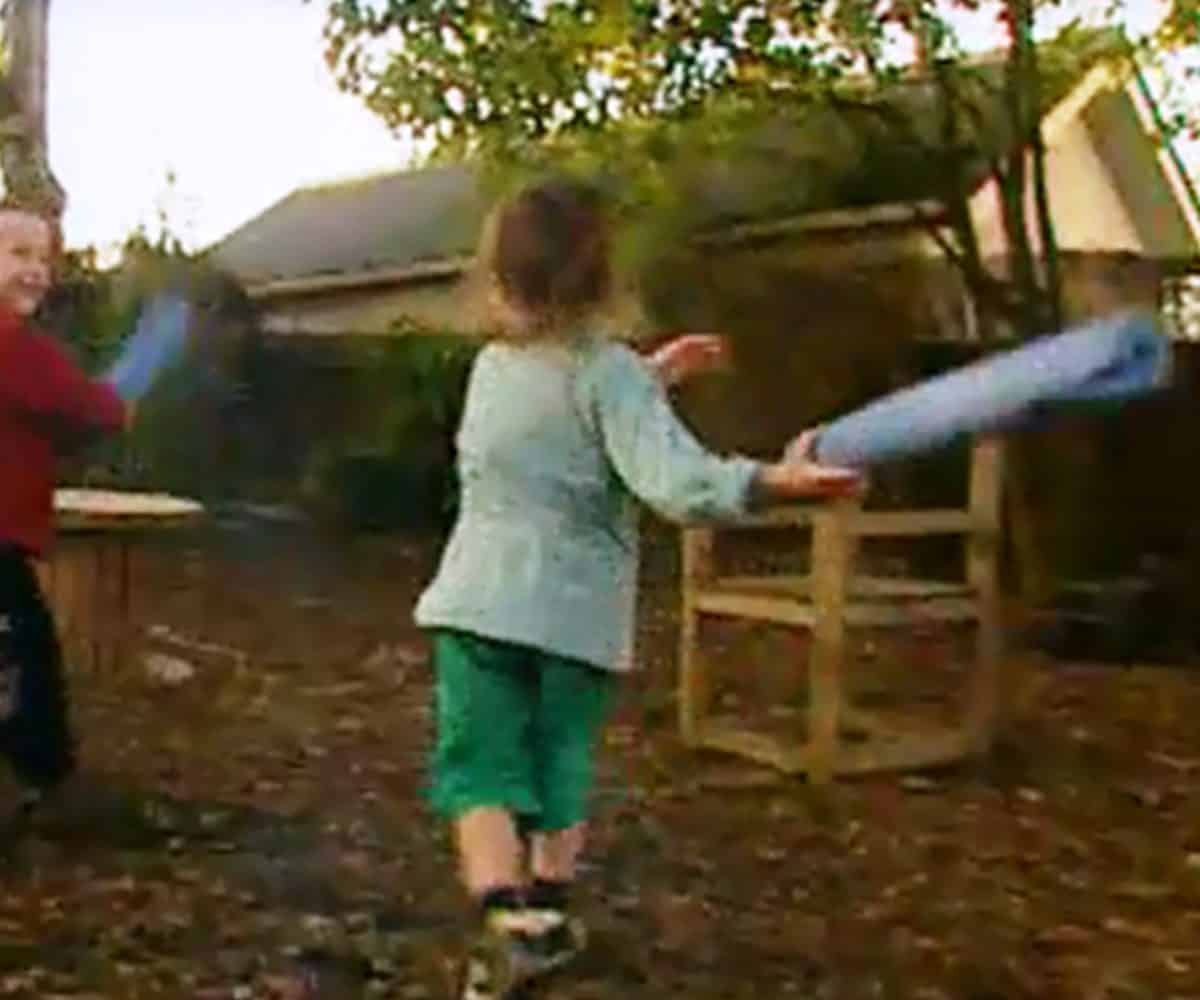
Even children as young as two years can distinguish between what is real and what is make believe. Children can drop dolls on their heads and dangle dolls by the arm and not worry because they know dolls are not real babies; and teachers don’t ban dolls from the early childhood programme. When children are shooting each other as part of their play they don’t actually believe they are hurting each other – they know they get up after being shot. It is not necessary to stop a child’s play when a child knows that what they are doing is playing; it’s not a real situation and no one is actually getting hurt.
This kind of play benefits children because it is about:
- Exercising their imagination.
- Problem-solving, for example, “where do I hide?”, “how do I make a tower to safely jump from?”
- Empowerment – being able to take initiative and make decisions to solve problems that come up during play.
- Empathy – learning to think about the perspective of others, provide protection and care as superheroes do good, they keep people safe and help people in trouble.
- Understanding that rules of consent and safety are important for any game (for example, you only shoot other children and adults who agree to be part of the game and you don’t go near another person’s face).
- Belonging and being part of a group – sharing an interest can help to build friendships.
- Developing confidence and this is also great for quieter children giving them playful opportunities to assume a more confident persona.
- Developing play acting or drama skills alongside children using their voices and developing language skills.
- Learning their own limits as to what is too rough (for example if they are too rough then the game will stop because someone gets hurt and they do not want the game to stop).
- Learning to cooperate.
It is not about …
- Teaching children the safe use of actual weapons.
- Promoting hunting and killing animals or killing people.
- Supporting the destruction of property.
Your role as an adult and the role of other educators/teachers
By allowing and supporting gun play and weapon play teachers:
- Are picking up on children’s own interests and it becomes possible then to use this interest as the starting point for further learning.
- Notice improvements in children’s speech and language as they engage in pretend play.
- Engage children in deeper level learning and engagement in play – valuing gun play and learning of boys and girls
As an adult you can help by:
- Supporting and not discouraging or banning this kind of play. Children who feel they don’t have to hide their weapon and superhero play will approach adults for ideas to develop within their play.
- Getting involved as appropriate. When you watch only there is a risk that you will end up being critical because it is harder to guide play or help to enrich it when you are not part of it. As one teacher said, “If adults worry about the play, then perhaps try something amazing – join in! When I get shot I either die spectacularly or add complexity …ha ha I have special skin that melts bullets so when they hit me, they turn to water. A whole new level of creativity will arise, so enjoy and help our characters develop as they should with understanding adults”.
- Suggesting ideas, information, and materials and props to extend the richness of the play.
- Facilitating children’s understanding of violence and aggression and why violence is never acceptable but aggression for example in sport is or when you need to battle the waves to rescue someone who is drowning.
- Not suggesting that violence toward animals or anyone is okay. Keep the focus of superhero and weapon play on imagination.
Weapons of choice
Most early childhood education professionals seem to be in agreement that children should not be given replica weapons – these are often plastic and are commercially produced toy guns, swords, bows and arrows, etc that simulate the real thing.
A child knows for sure that the toy gun they have made is only imaginary but playing with replicas can be confusing for children, blurring the line between real and imaginary.
Also consider this – an actual toy or replica gun remains a gun at all times, and it is used for shooting people or animals or other targets. But something as simple as a stick can be a ‘gun’, then after a while the stick may be transformed into something else such as a sword by placing a cardboard tube on the end of it, or it could and probably would be used in some other form of play.
Teachers love to see children using their motor skills and imagination to create their own weapon toys and modifying these and adding to them as their play develops and changes.
Imagination is a great thing. For example, a teacher recalls the following play episode: “Got shot at with lasers, squid guns, fire hoses, machine guns, fire guns, alien guns etc. Developed a Star Wars force field which repelled most things but then the force field failed against a wand wielding pink princess who turned me into a frog, and so on… No one got hurt or angry. There was great negotiation skills and interaction too”.
Some of the objects and materials commonly used for weapons include:
- Foam noodles (half or quarter-sized length)
- Rolled up newspapers
- A child will use his/her fingers for a gun or pick up little sticks
- Wooden blocks are often the choice of children for guns in early childhood centres
- Pegs
In summertime, it’s not unusual for teachers to let children bring their water guns from home or supply children with water guns and make balloon water bombs. It’s fun while keeping children cool on a hot day, and developing their fine motor control (guns), throwing skills (small balloon water bombs) and eye tracking as they track then squirt their peers and adults.
Gun licences
In New Zealand and Australia adults must have a genuine reason to own a firearm and if they wish to use a gun, they must hold a current firearms licence.
Gun licences have no place in early childhood programmes and certainly not for young children. A few simple rules are all that are needed, and these rules may include:
- Play needs to be consensual. Children can hand signal or say they do not want to be involved at any time (e.g., it may be discussed that if they put their hand up and say ‘Stop I’m not playing’ – then they are no longer in the game).
- Keep weapons away from faces and not pointed in the direction of anyone’s face.
- Avoid disrupting the play of others who do not wish to join in.
- Do not cause damage and do not actually hurt or harm any person, animal or living thing.
Girls and boys
Girls can be interested in and engage in this kind of play. Most of the superhero figures in video games, films and books have traditionally been male so this has been seen to be a form of play that boys do, but today there are many female superheroes too.
Very young children tend to choose their favourite superheroes on the basis of what the superhero does (skills and characteristics) rather than gender. So, if a girl’s favourite superhero is superman or spider man then support her personal choice.
Gun play and weapon play is not for everyone
As a country, New Zealand is isolated from much of the outside world. Adults who have arrived from other countries including soldiers and refugees, and NZ’ers who have been part of defence forces overseas, may have experienced armed conflict first hand. Children may carry the trauma of this.
Children who have witnessed a murder or the killing of animals may find seeing peers playing with weapons emotionally disturbing and difficult to accept. If this is you, your child, or family speak up and let your early childhood service manager or provider know you are not comfortable with this aspect of children’s play. You have the right to opt out or for your child to be given a choice of other activities and play opportunities when peers are engaging in such play.
Not every early childhood professional is comfortable with such play
Early childhood teaching professionals are individuals who bring their own fears, experiences, and beliefs to their teaching, caring, and interactions with children.
It is okay if one or some of the adults at an early childhood education service do not feel comfortable to support and engage in superhero and weapon play with children. But there should be at least one adult within the teaching team who views weapon and superhero play positively and is happy to support children’s interests in this. Children should be directed to go to that person/s for help and not be told to stop their play by other adults.
Extending children’s learning and teaching
Children’s own imagined superheroes
The children at one preschool were invited to bring pictures from home of their favourite superheroes and this led to over 30 different superheroes being identified, children creating their own superhero, hand-making their own costumes and weapons out of junk and recyclable materials, and lots of rich imaginative play.
Cultural views and different morals
Teachers may teach about differences in cultural views and practices of killing. Why do some people like eating frogs and others not? Why are some animals killed in some countries whereas in others they are treasured or protected? For example, the Australian brushtail possum was introduced to New Zealand in 1837 for the fur trade. In NZ today it is viewed as a pest but In Australia the possum is protected as a native species.
Armed Forces and War
Visiting an army museum may be considered appropriate but may bore young children unless there are lots of interactive displays. Speakers may be invited from the Armed Forces and other relevant occupations to talk with children about their jobs e.g., telecommunications and negotiator. Some early childhood centres have held their own ANZAC day parades but lots of thought and planning should go into this first to ensure it is age-appropriate and does not glorify killing or cause children stress or sadness.
Real life superheroes in our community
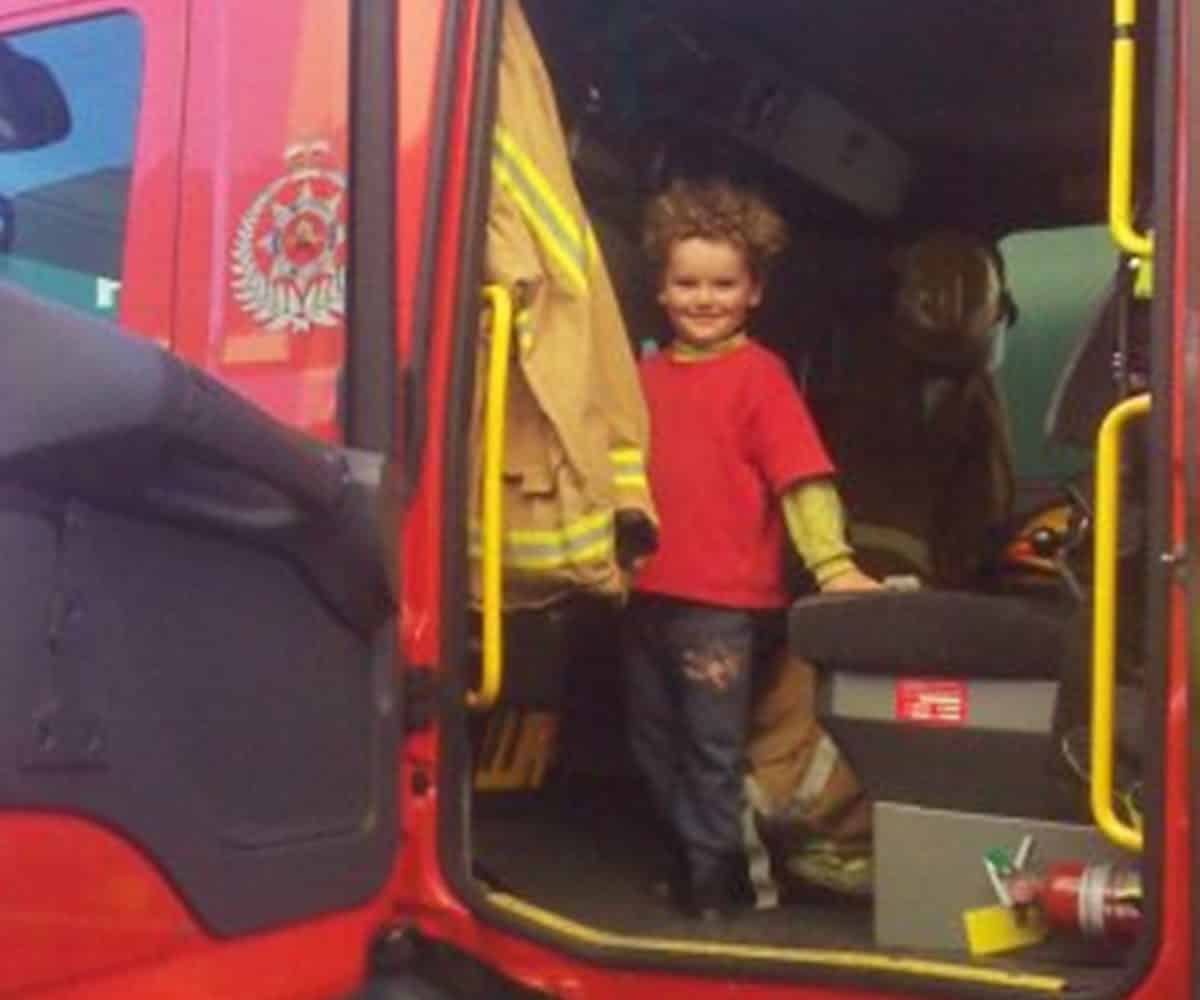
Another way of extending learning is for children to go on field trips and meet real superheroes out in the community – people who for example work on rescue helicopters, firemen, librarians, nurses … discussing how these people save lives or help others.
Some responses
Tasmin
This is a great and insightful article. It highlights some very good reasons and importance of superhero and weapon play
Kororia
The questions for the adult are: Can the child make the differentiation between real and imaginary? Can we as adults set it up so that children have an easier time keeping the distinction between real and imaginary? It is better for children to have capes and lengths of fabric to make their own costumes than recognisable Spider Man suits. Children with their imaginations turn a cardboard box into a helicopter and that kind of play develops more of the child’s potential than any other kind of play.
Tracy
Thanks for this article. It is especially helpful around all the interest in ANZAC Day.
Trudy
Thank-you perfect timing as we are experiencing gun play a lot at the moment. It is not so much the making of guns and playing pretend shooting but how it quickly escalates into manic running around & around? Yes, I understand that the running is great form of freedom and exercise but in a small area it suddenly turns into a hazard rather than a learning experience.
You may also be interested in reading
Ethics of care and responding to children’s questions about the killing of animals



1 comment
janine Ke
This was a great read and provided some great insight in gun play.