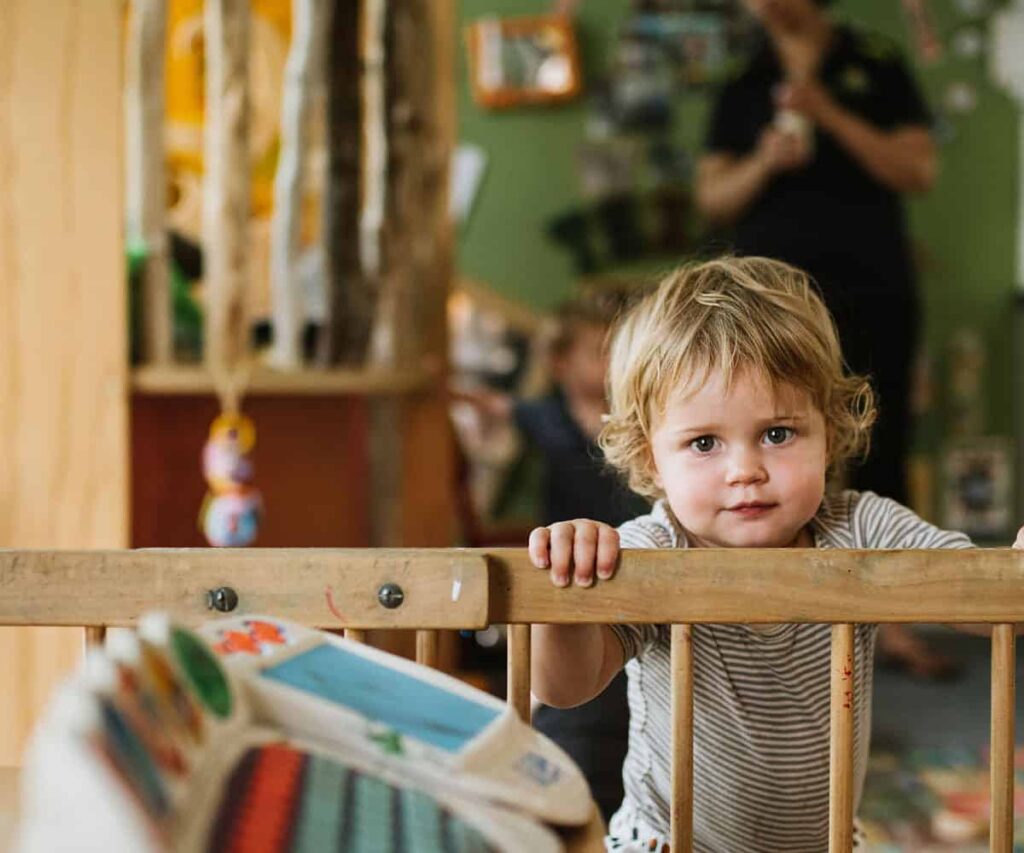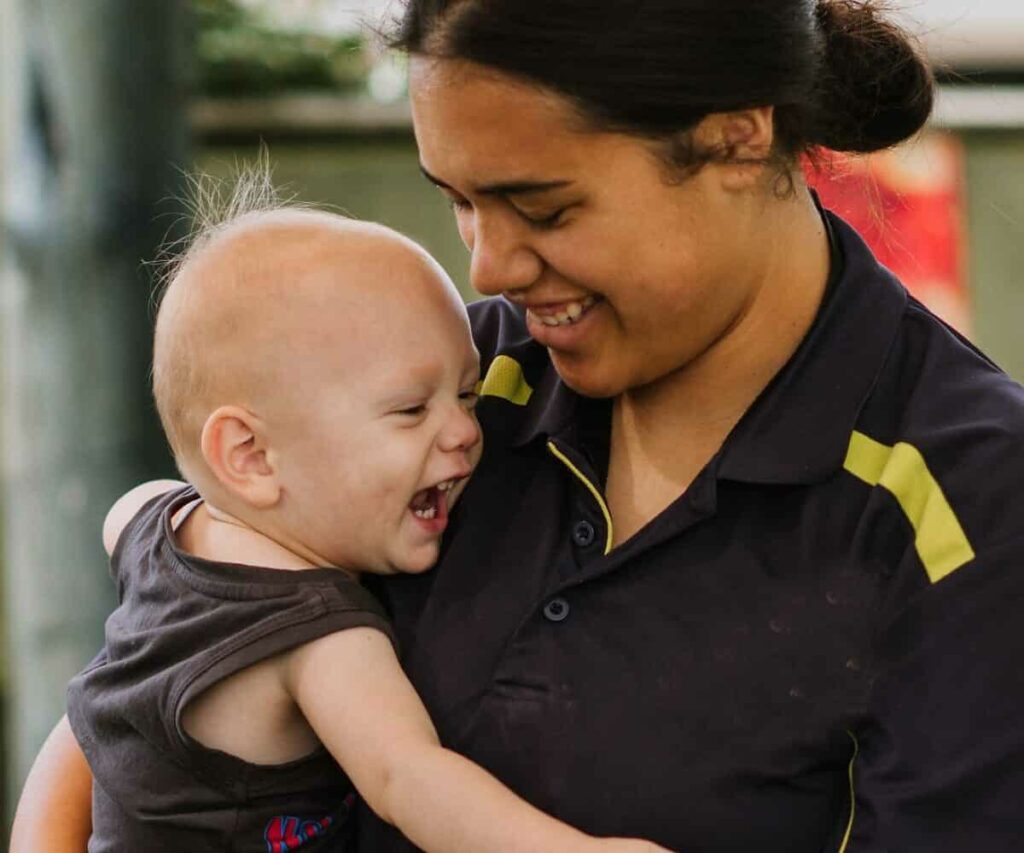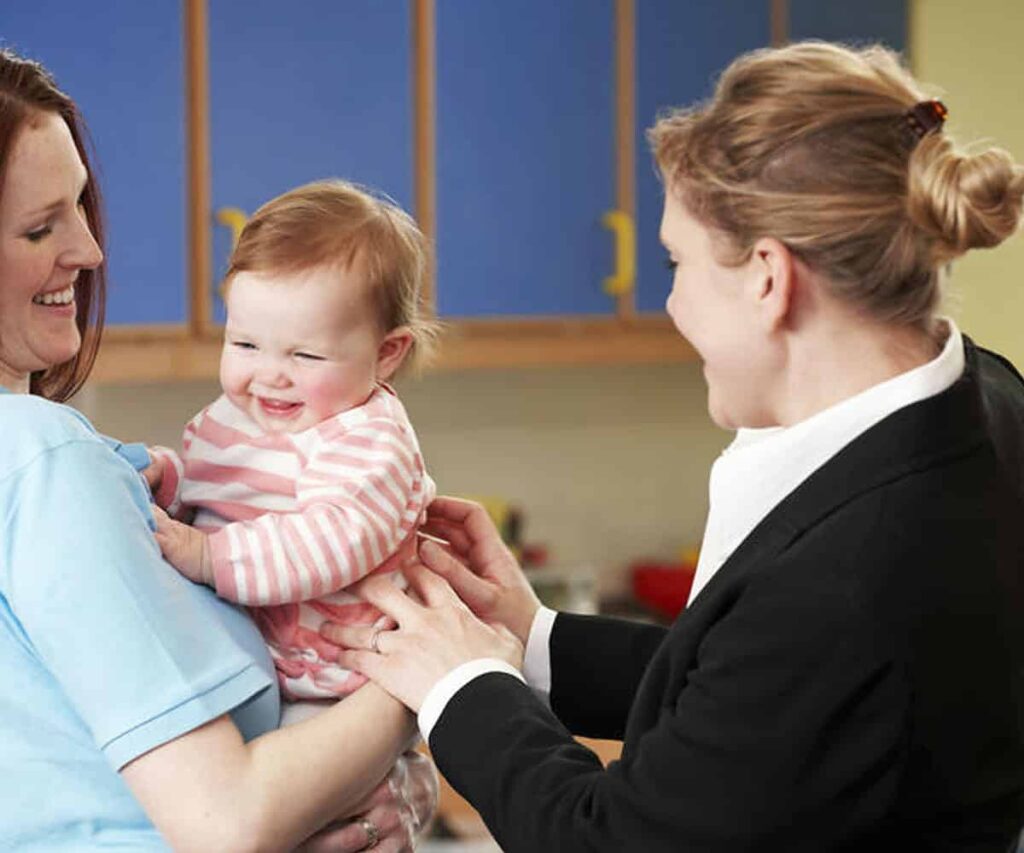
For stay-at-home parents and caregivers, playgroups can be a lifeline. Playgroups support families to connect with other families in their community, along with giving children some fun and stimulation.
Playgroups are reasonably informal compared to Playcentre and other early childhood centres which are more structured and have more rules about attendance, etc. At playgroups parents usually stay with their children.
Here are some things that you might like to think about when choosing a playgroup
Structure of playgroups and what may be asked of you
When you visit the playgroup find out what structure it has. Some groups are funded by the Ministry of Education and are therefore more likely to be formal set-ups, while others are set up informally by parents. While some playgroups are run on a collective basis with all parents taking responsibility others have a designated person either paid or voluntary who takes charge of the organising.
Many home-based early childhood services run playgroups for carers in a local area so the children they look after can get together in larger groups. These playgroups may also be open to other parents and can give you the benefit of a playgroup run by someone who is experienced and possibly qualified in early childhood education.
As playgroups are all different in terms of their structure, the amount of commitment required may be different for each group. Some will ask for payment by term which might not be suitable if you do not want to commit to going each week. Others ask for a payment per session, often a gold coin donation, which is better if you do not want to have to make a regular commitment. Parents may be asked to take part in setting up or cleaning or to bring morning tea all of which you need to take into account as it may take up more time.
Other people at playgroups
If you choose to start at a playgroup when your child is very young, then its success or failure can be as much about how you click with the other mums as it can with how your child reacts.
It will probably be hard to tell whether your baby likes or dislikes the other children at the playgroup but it will be easy to decide whether or not you like the mums. If you don’t enjoy spending time with the other mums then it is unlikely your baby will get as much pleasure from the group as they otherwise might. If your child is older it will be more apparent whether they are happy interacting with the other children and you should take this into account.
Equipment and play opportunities
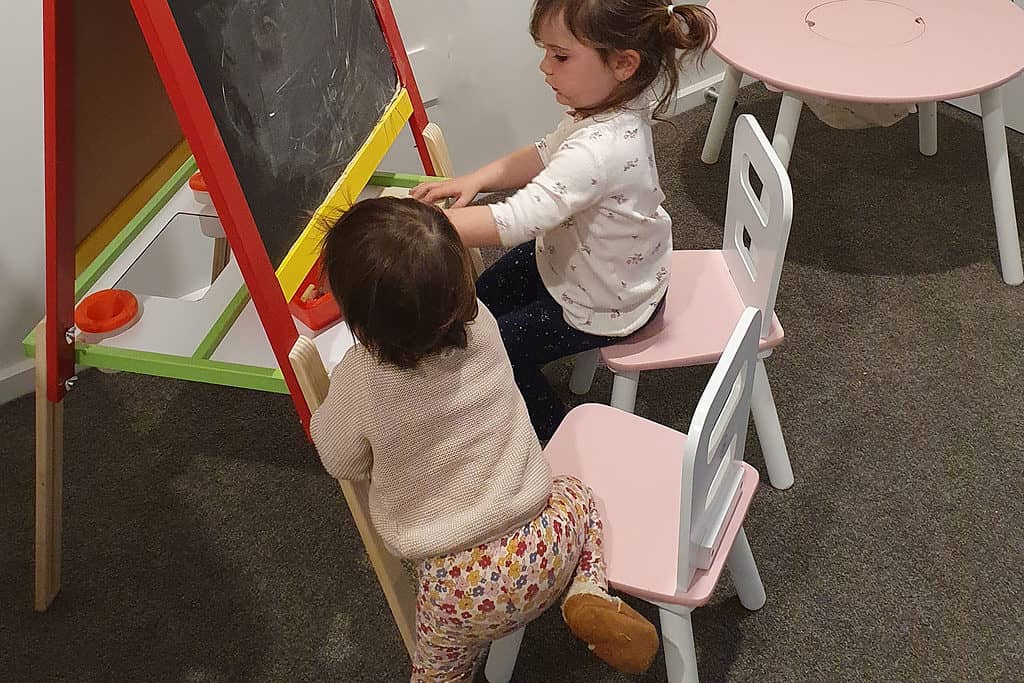
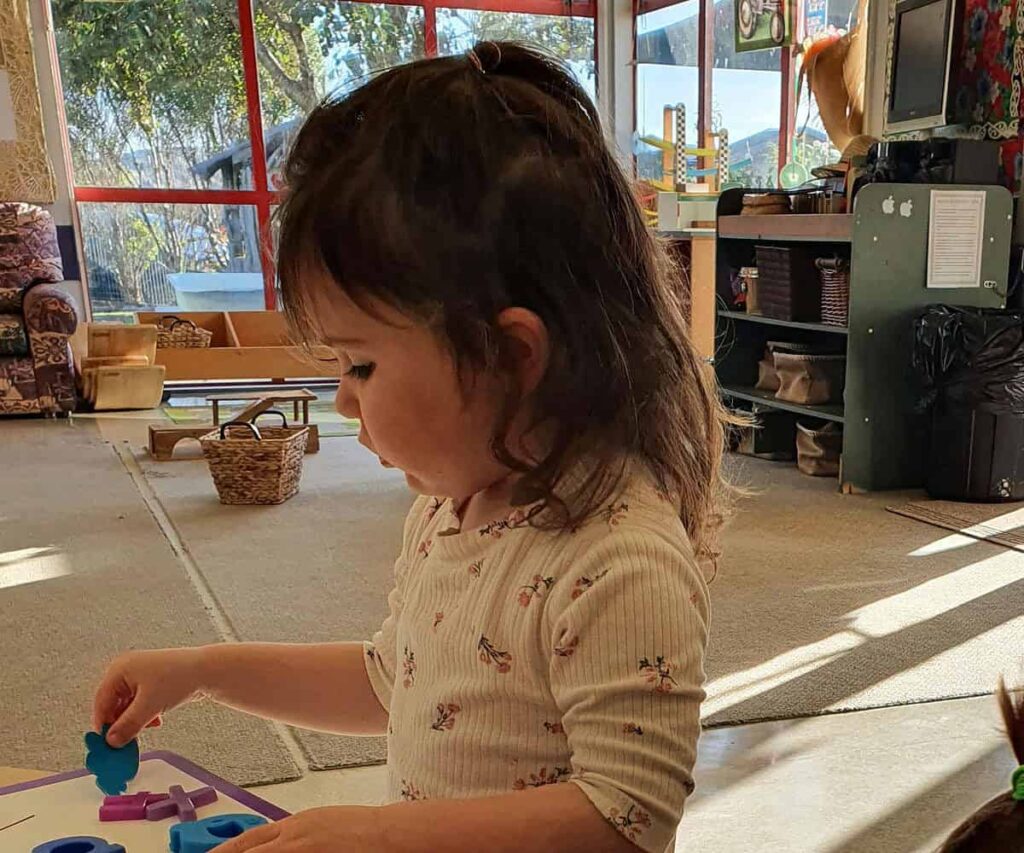
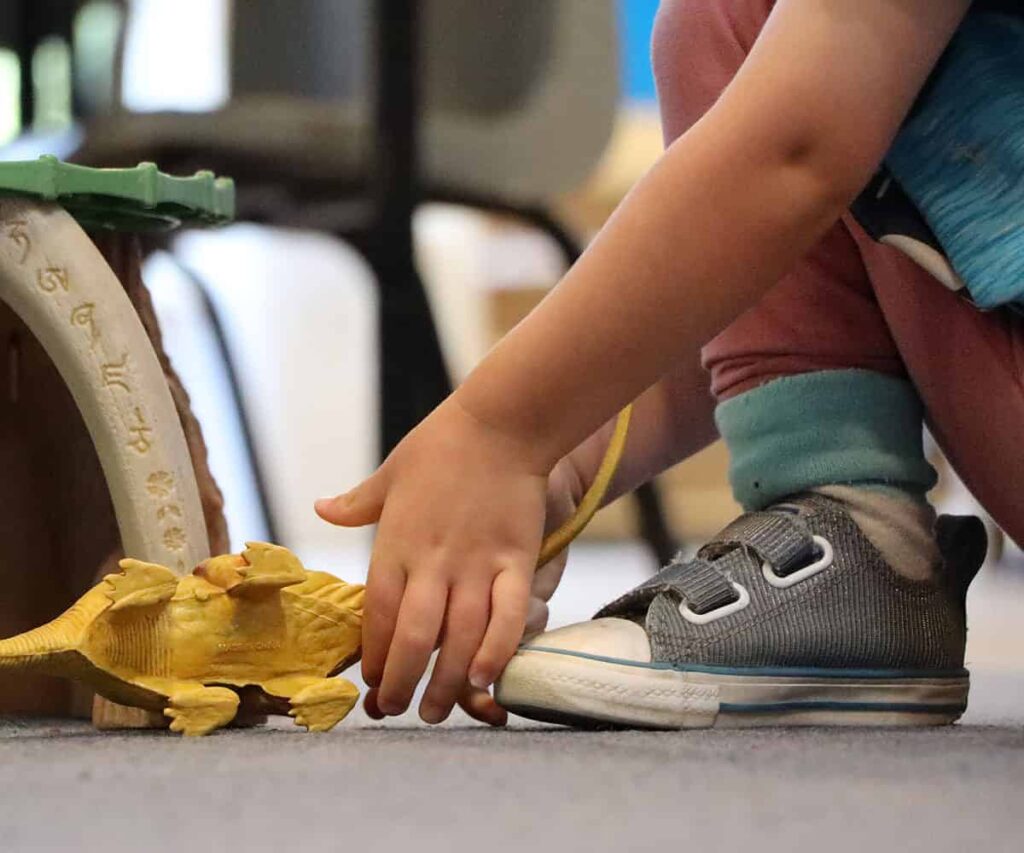
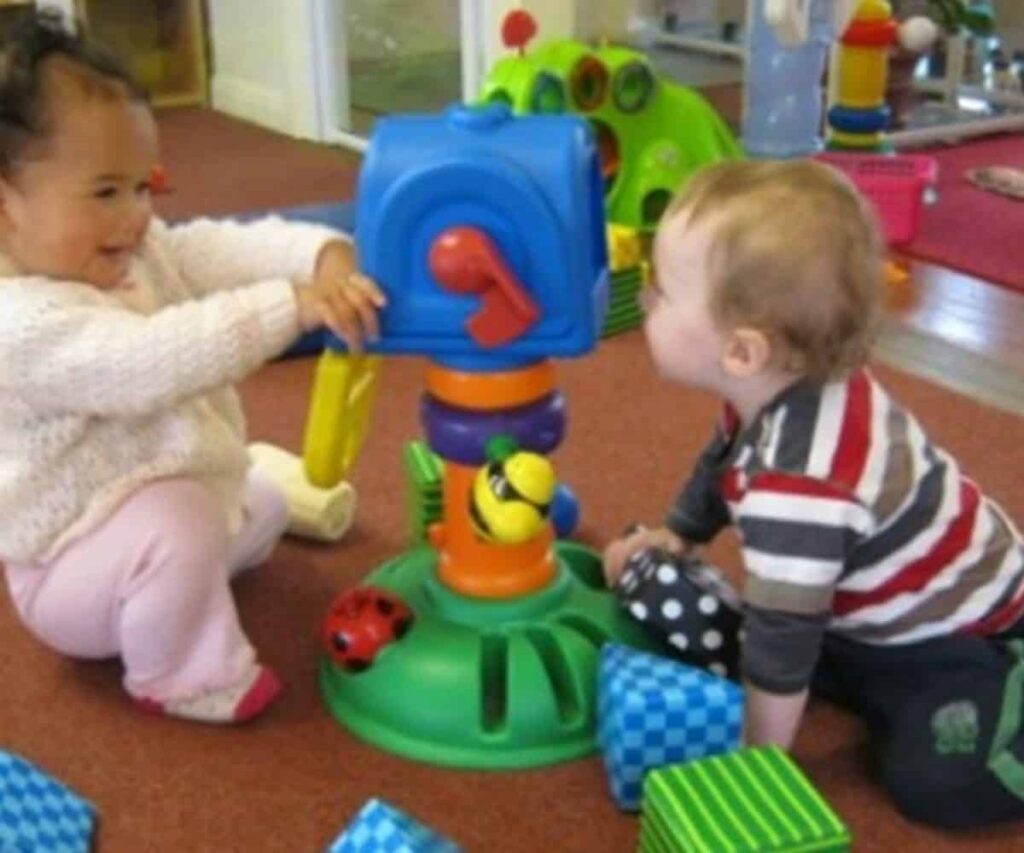
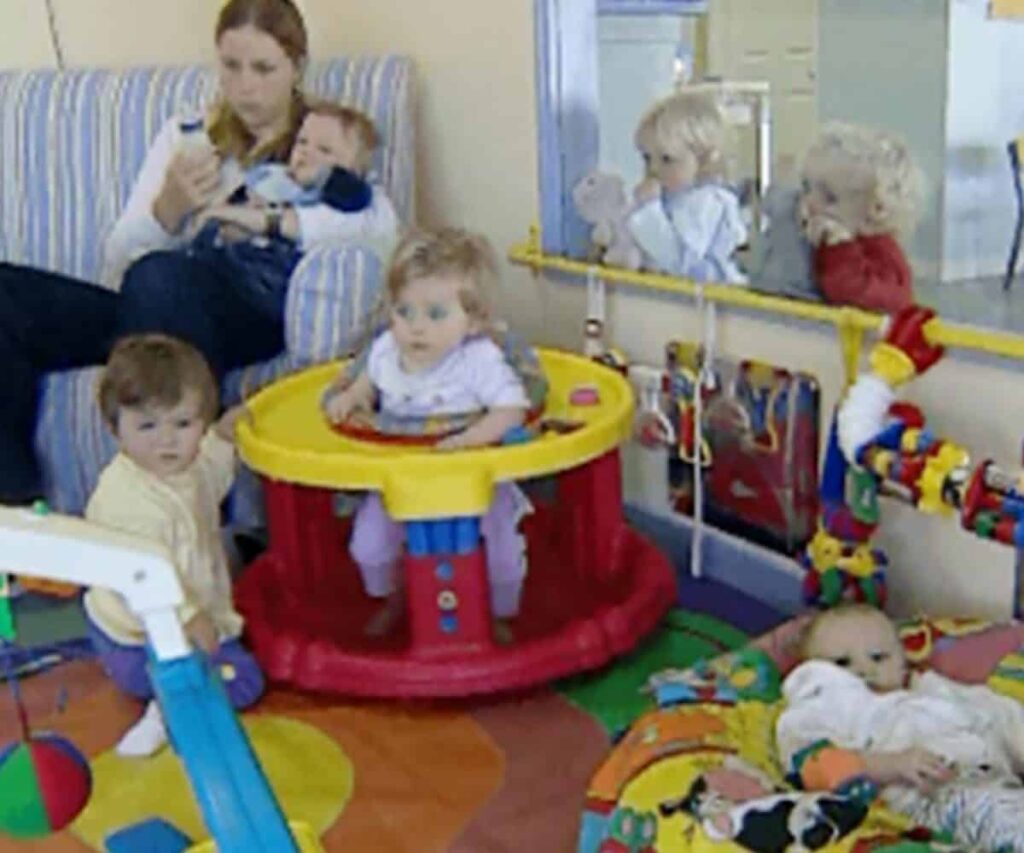
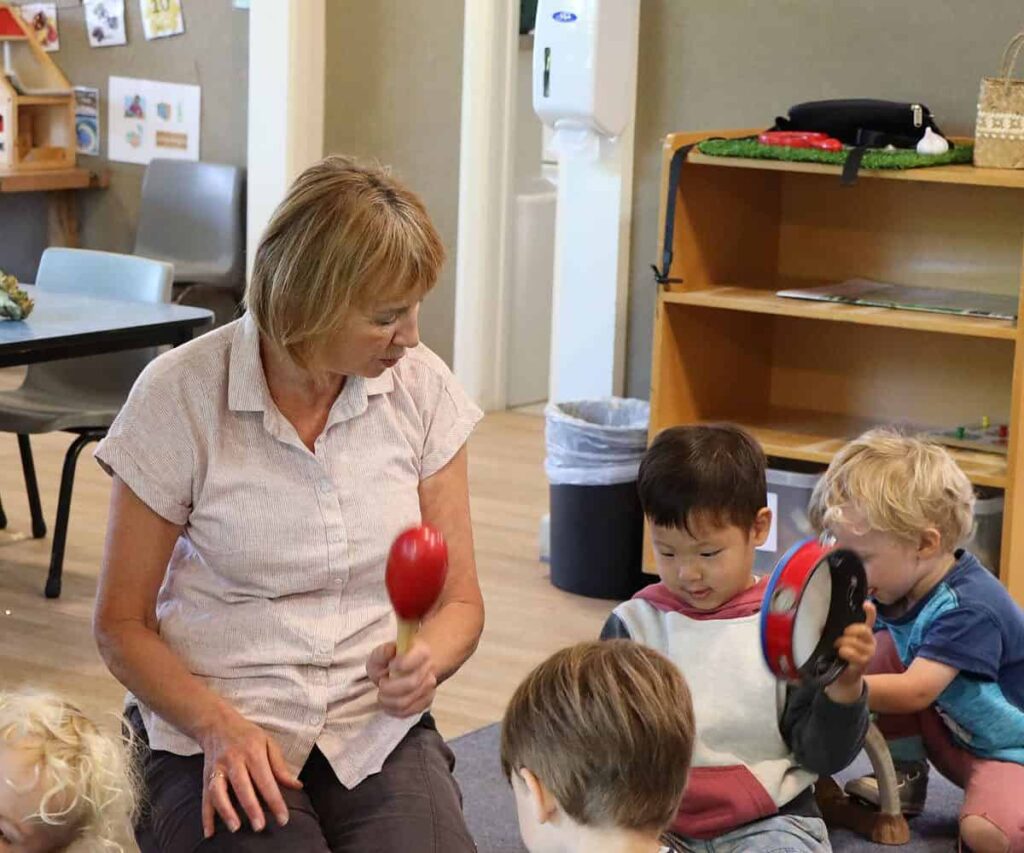
Look at the equipment which the playgroup has and the condition of the toys. Some smaller playgroups may only have a limited range of toys so check that your child is not going to get bored. A wider selection of toys may keep your child entertained for longer and may allow for toys to be rotated over sessions so they appear new to the children again after a short break. Toys should obviously not have any dangerous parts but you might also like to check the general condition of them such as the cleanliness, particularly if you have a younger child who might put things in their mouths. Look for toys which help your child learn and develop such as toys which need imagination rather than just pressing one button, or toys that improve motor skills.
Some playgroups also use other things such as clean recycling, like milk bottles or cardboard tubes, as part of their equipment to encourage children to play with other things and use their imagination.
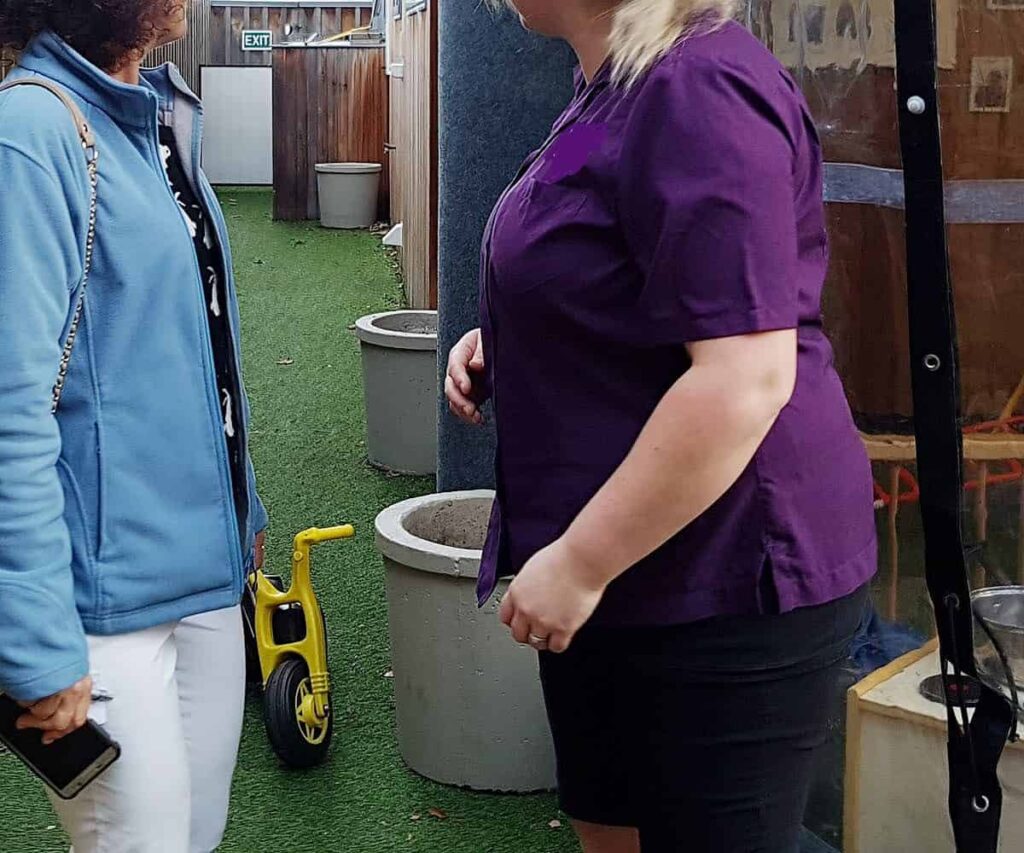
Depending on their location playgroups may also be able to provide outside play equipment such as swings and climbing frames, or they might have smaller items such as indoor slides. Some playgroups may also organise outings to local attractions such as the library or local fire station.
Facilities
The facilities a playgroup has may depend on where it is located. If the playgroup takes place in a dedicated location then the facilities may be better geared towards young children than if it is in a shared location such as a church hall.
See if the space has areas where adults can sit comfortably for feeding babies or simply for a chat such as sofas and whether the playgroup has child size furniture to make it easier for children.
Ask the organisers where the changing facilities are and what the cleaning routines are when changing nappies.
Some playgroups will have tea and coffee facilities for parents and may offer morning tea for adults and children.
Look out for health and safety issues as well such as safe car parking and good heating.
And finally keep in mind that …
Getting involved in a playgroup can be a rewarding activity for parents and children and can lead to lasting friendships, but it is important to find the right one. Don’t feel you have to stick with the first playgroup you find and don’t be afraid to try more than one before making a final choice.
The suggestions above give you some ideas of what to look for – but in the end gut feeling and instinct can be as important in finding the right group for you.