Furniture that’s adult-sized, especially chairs, is a hazard in ECE centres
© myECE.org.nz.
Parent Support and Information.
* This article was published in May 2018 following the death of a toddler in hospital in Nov 2017 after attending an early childhood centre that day. It was suggested to the child’s family by the service that the child was seen upset on the floor beside an adult sized table and chairs. The coroner ruled that the toddler died from the impact of a short-distance fall. Read more about what happened to little Lorenzo here.
Adult sized furniture should not be used for mealtimes, in play or during activities in a group early childhood centre setting.
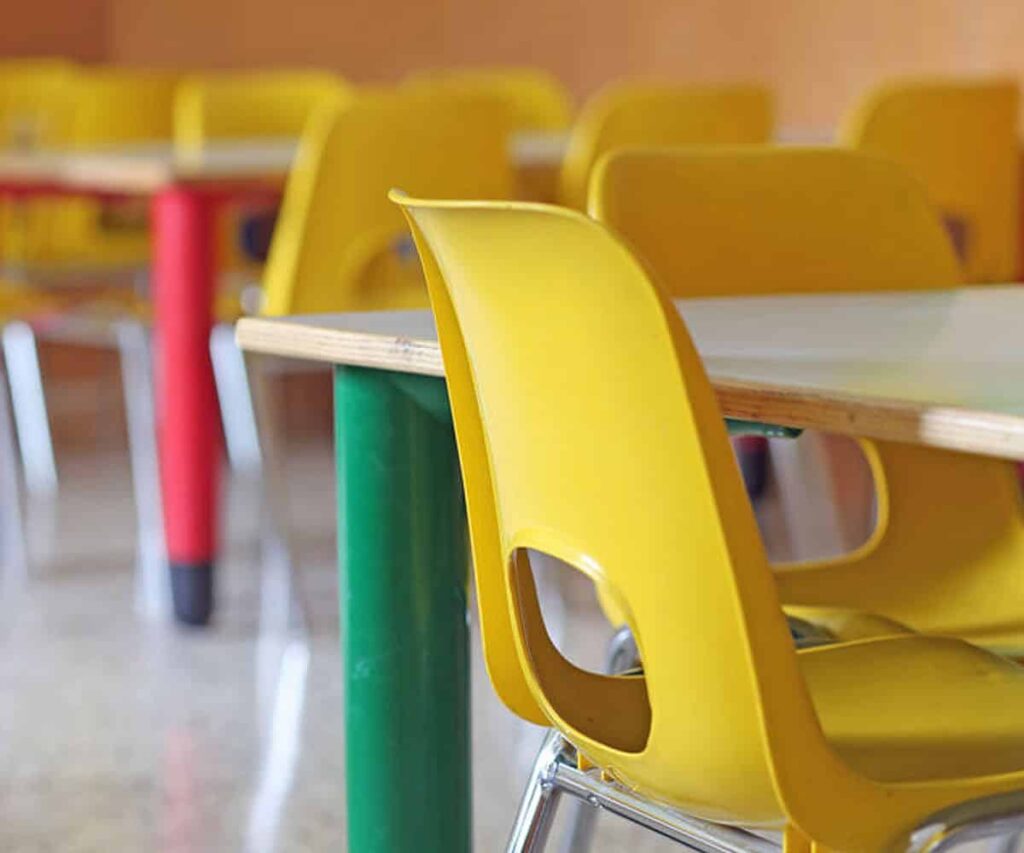
Child sized chairs and tables are the norm in early childhood services because this is what is safest for children, according to Dr Sarah Alexander chief advisor of the Office of ECE.
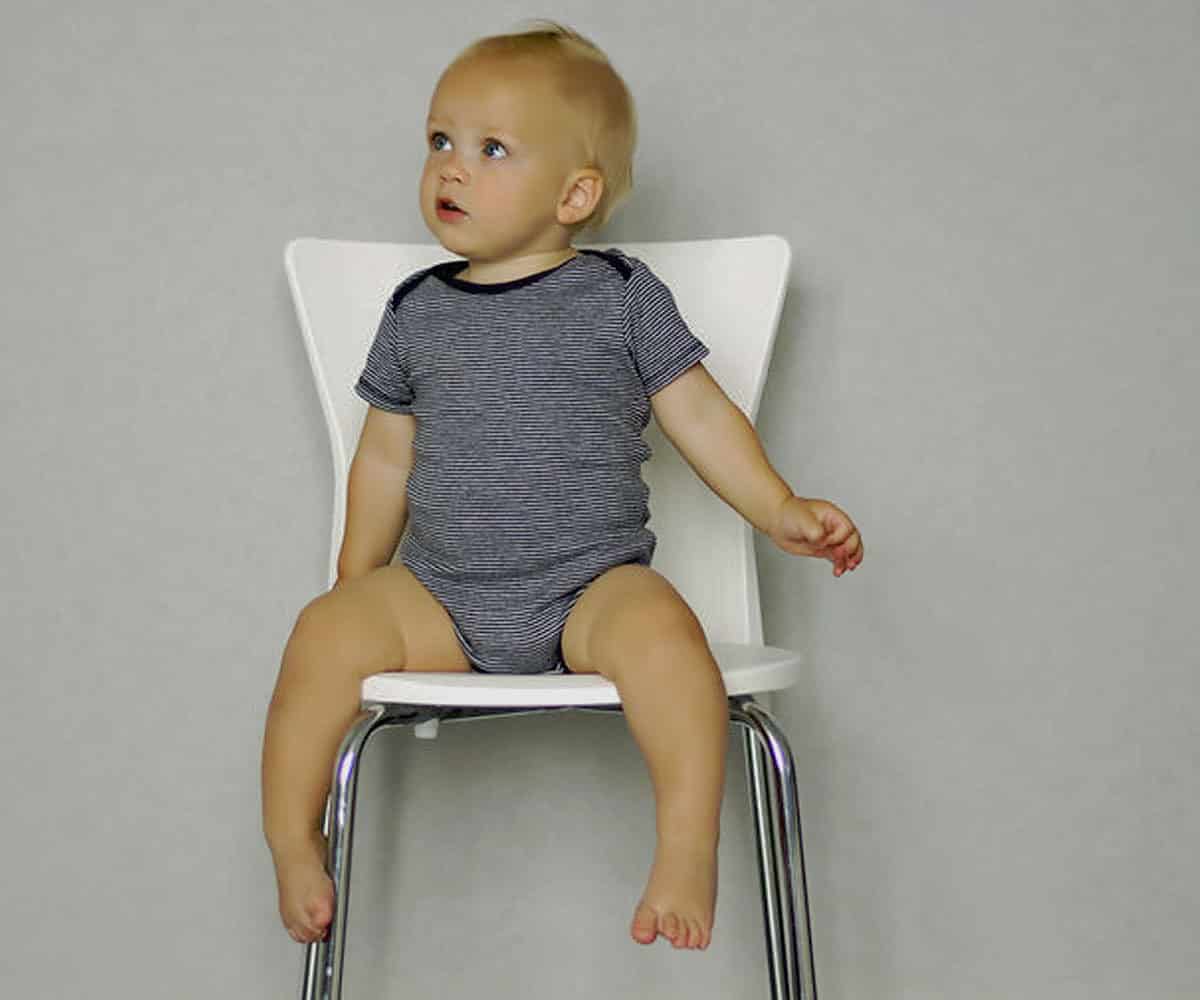
Dr Alexander says that furniture appropriate to children’s developmental age and capabilities is safest.
Toddlers particularly are at risk of bumping their heads on the sharp corners of tables and falling from chairs that are too high for their size.
Plunket does not have specific recommendations around the age when a child should or should not be placed on or use an adult chair in homes.
However, National Child Safety Advisor Sue Campbell says that as a general rule of thumb “floor is best”.
“We do talk about and stress the importance of a young child not being placed or left on a high surface such as an unharnessed highchair, stool or adult chair at home – anything they can fall from.”
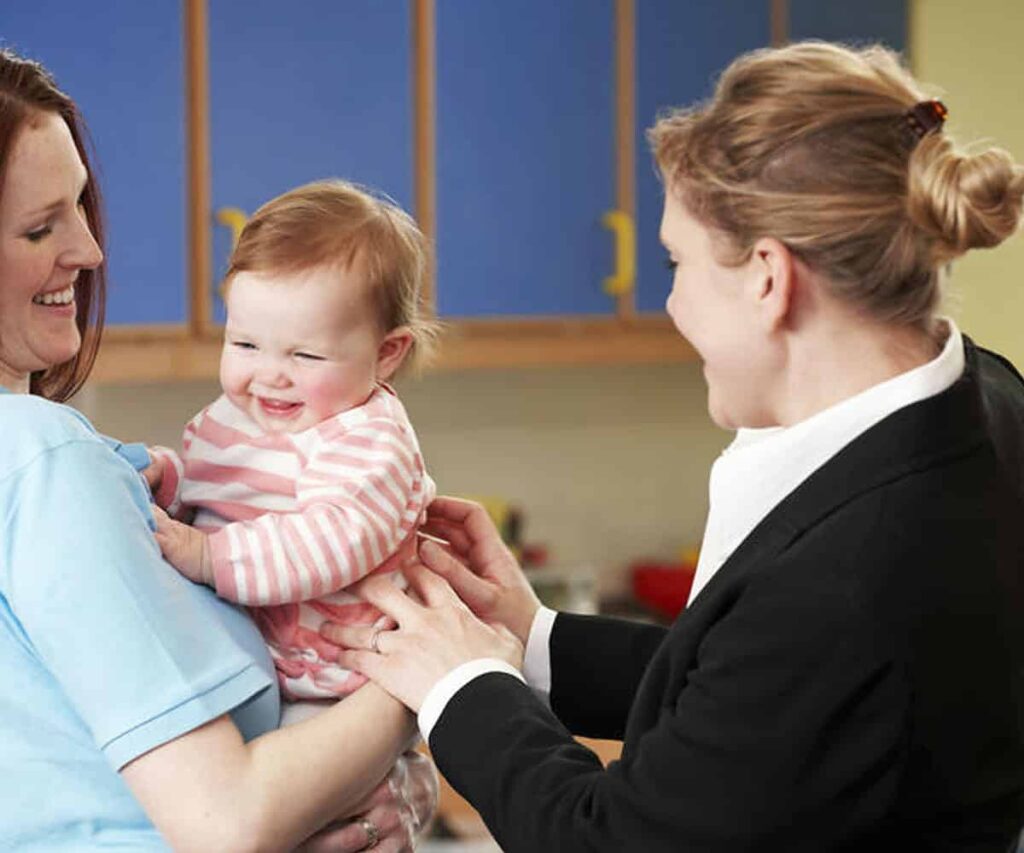
Dr Alexander says that in certain situations it may be acceptable for adult-sized chairs to be used for children, such as when an adult is with the child actively supervising and sitting beside the child. A young child sitting comfortably and securely in the adult’s lap on a couch or adult chair, for example for a cuddle or a story, is acceptable and encouraged.
But she said that “it is unsafe to have chairs in an early childhood service accessible to toddlers and young children that they are not able to independently get on and off safely. In other words, if a child’s toes can’t touch the floor the seat is too to be safe and the ECE service must restrict the child’s access to it.”
A significant proportion of non-fatal fall injuries in children 0-4 years of age in NZ relate to a fall from a chair.
My ECE ran a poll on its Facebook page to gauge the extent of support for the use of adult-sized chairs for children in centres.
The question asked was:
“Should early childhood centres use an adult-sized chair to seat a toddler or young child (18 months – 4 years)?”
From more than 400 votes, 92% voted ‘NO’ and 8% voted ‘YES’.
Comments AGAINST included:
- ECE centres are for young children and the environment reflects that.
- Safety – chair would be too high if the child fell especially if they were younger or smaller. Best practice- child should be able to get on to and off furniture without being put there and removed by an adult.
- They don’t have adult sized chairs in early primary school as it ensures good posture whilst drawing and writing. So why make a child even younger use an adult chair. They are young children we need to let them be young children.
- At home sure, at a restaurant sure but let the kids have fit for purpose furniture in the early childhood centre.
Comments FOR included:
- Does your child use adult sized furniture at home? Kai table, armchair, couch? Mine have because they wanted too. Feels more like home where adults and children can sit together and talk while eating or enjoying a book together.
- Adult sized couches should be a must in ECE where a child can climb up and relax, have a nap, read a book, have a cuddle with mum or dad before they go for the day; again, a comfy adult sized couch is a staple at home, so I think it’s a comforting thing to have in an early childhood environment.
Current regulations and licensing requirements for furniture
Adult-sized chairs and tables for children are permitted (not excluded) in early childhood services under the regulations. The Ministry of Education can only advise services to consider the appropriateness of furniture size and dangers to children.